




The Walsh Sisters review: Marian Keyes iconic sisters finally have the TV series they deserve
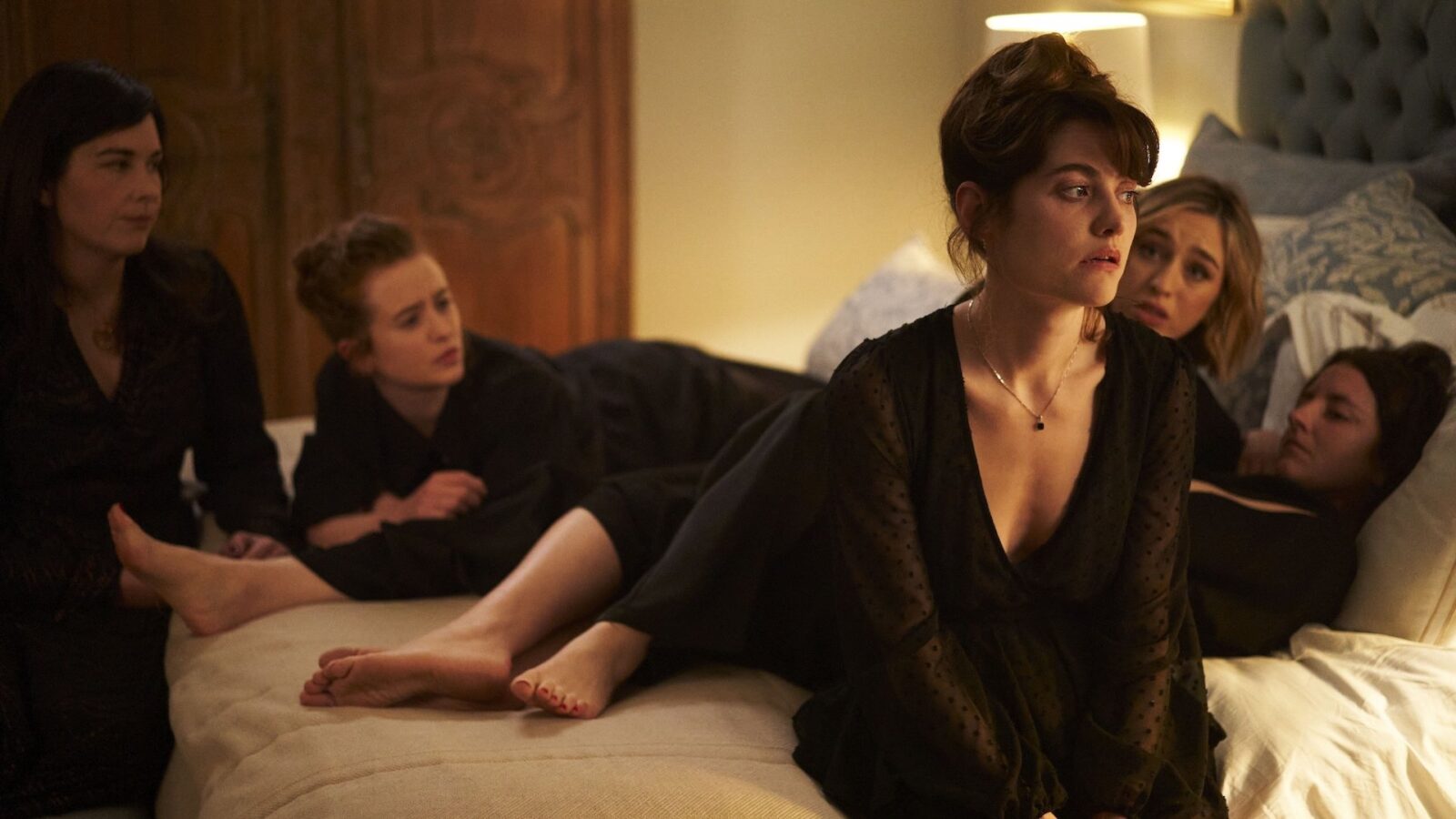

It’s been three decades since Marian Keyes’ first Walsh sisters book was published, and we haven’t had a TV series about them. It’s bonkers, I know.
Ireland’s monarch of contemporary fiction has beloved titles sitting on bookshelves worldwide, with the lives of Rachel, Anna, Claire, Maggie, and Helen Walsh meaning the world to dedicated readers since the ’90s. Now, BBC series The Walsh Sisters finally intertwines their stories.
An exquisitely human and heartbreaking adaptation by showrunner Stefanie Preissner (Can’t Cope, Won’t Cope) and Kefi Chadwick (Rivals), The Walsh Sisters feels truly connected to Keyes’ characters while standing on its own two feet. At its heart, Preissner and director Ian FitzGibbon have assembled some of Ireland’s best to play Keyes’ iconic Walsh sisters: Louisa Harland (Derry Girls) as Anna, Caroline Menton (Oddity) as Rachel, Danielle Galligan (House of Guinness, Shadow and Bone) as Claire, and Máiréad Tyers (Extraordinary, My Lady Jane) as Helen. Preissner herself plays Maggie.
A raw, authentic portrayal of sisterhood, addiction, grief, and mental health, The Walsh Sisters feels well overdue on our screens.
The Walsh Sisters expertly entwines multiple Marian Keyes books.

Credit: BBC / Cuba Pictures and Metropolitan Films / James Pierce
At just six episodes, it’s impossible for The Walsh Sisters to cover all seven books in Keyes’ series, no matter how expertly Preissner weaves several storylines together. At this series’ core are Rachel’s Holiday and Anybody Out There, books which centre Rachel’s road through addiction and Anna’s experience with grief, respectively. However, Preissner also pulls events from the books tracing Claire, Maggie, and Helen’s lives with finesse, crafting one linear Walsh story.
Set in Dublin, The Walsh Sisters is a deeply human drama that treats life’s happenings as monumental, however quiet, sudden, joyous, or mundane they may be. During a London preview screening of The Walsh Sisters, Keyes described how she approached writing the books involving the Walsh sisters:
“I feel, ultimately, we all go through life and terrible things happen to us — the sort of things that are meant to happen to other people. And in a way, that’s what all the stories here are about,” she said. “There are still people that we love and who love us, and there are still running jokes that will always give us some comfort. That kind of feeling of like, life will hurt us but we will survive it, and there are still things to be grateful and happy for and to love. That’s kind of that’s all I’ve ever tried to write.”
And it’s this all-too-recognisable feeling that The Walsh Sisters really captures.
The Walsh Sisters is a raw, authentic portrayal of sisterhood.

Credit: BBC / Cuba Pictures and Metropolitan Films / Enda Bowe
TV shows rarely harness the complicated tempest that is sisterhood with accuracy. Bad Sisters, Freeridge, Fleabag, and Grace and Frankie — when it comes to representations of sisterhood, these shows brilliantly present the messy confluence of misunderstanding, love, protectiveness, rage, and eye-rolling that make up this particular relationship. As Meera Navlakha wrote of sisterhood in Bridgerton for Mashable: “Sisters are partners in life and all that comes with it, against the rest and despite the noise.”
Now, Keyes — she can write sisters. And thankfully, so can Preissner, who channels Keyes’ characteristic empathy and charm into the ebbs and flows of the show’s sisterly dialogue. Hard truths drop like an anvil, the lowest point of a conversation can be pulled up in an instant with an in-joke. There’s a lot of blame, a lot of “this is what you always do.” It’s absolutely unhealthy arguing, and it’s absolutely realistic. And in the hands of this talented cast and their seamless chemistry, The Walsh Sisters shines with sibling complexity, through grief, divorce, addiction, miscarriages, and more of life’s shittiest curveballs.
Featured Video For You
Fittingly, Preissner is steadfast and level-headed as Maggie, relegated to her role as the “uncomplicated” one, meaning she’s left without an outlet for her own struggle with fertility. While not nearly as feral an exploration of motherhood as Nightbitch or Die My Love, The Walsh Sisters presents a rarely seen side of feeling like a “shit mum” through Claire, with Galligan’s wonderful performance leaning instead into dry humour. As the youngest of the bunch and the most unfiltered sister, Helen, Tyers balances deadpan delivery with hidden struggles.
They’re all under the constant scrutiny of their mother (Carrie Crowley), whose desperation to take up as much family attention as her daughters do brings out some absolute clangers. “I have problems too,” she declares, in a situation in which her problems are absolutely not the most serious.
However, the standout performances of the series come from Harland and Menton as Anna and Rachel.
The Walsh Sisters handles addiction and grief with compassion.

Credit: BBC / Cuba Pictures and Metropolitan Films / Enda Bowe
With Rachel’s Holiday and Anybody Out There forming the core dramatic narratives of the series, Menton and Harland dig deep.
One of the more universal themes of the series is grief, with Harland giving an outstanding performance as Anna as she navigates this surreal terrain. For anyone who has experienced loss, it’s relatable to watch Anna meander through bizarre, mundane actions, ponder unanswered questions, and dwell on the “right” way to grieve.
Menton, meanwhile, sees Rachel through her storyline of addiction with grace and vulnerability. We’ve seen a handful of screen representations of women experiencing alcoholism and drug addiction — Andrea Riseborough in To Leslie, Sandra Bullock in 28 Days, Saoirse Ronan in The Outrun, Anne Hathaway in Rachel Getting Married — each with their own context and complexities. The Walsh Sisters doesn’t glamorise Rachel’s addiction and recovery, leaning into the raw nature of withdrawal and having realistic conversations around relationships, sobriety, and edited memory. Denial, the need for validation, and control are major factors in Rachel’s addiction, and she must face hard truths during her recovery from the people she loves — as well as her roommate, Chaquie (an impeccable Debi Mazar).
However, the series doesn’t drag you completely under. One of the most Keyes elements of Preissner’s take on The Walsh Sisters is this human ability to pivot from “rock bottom” to levity and practicality in an instant without feeling disingenuous. It’s pure, sisterly buoyancy. And though it took 30 years to get here, this Marian Keyes adaptation is the one we (and they) deserve.
The Walsh Sisters is now streaming on BBC iPlayer in the UK, with U.S. details TBC.

Related Articles

Pay once, use forever: MS Office 2024 is on sale for a flat $100
TL;DR: Get lifetime access to Office 2024 Home & Business for $99.97...

Sam Altman would like remind you that humans use a lot of energy, too
“It also takes a lot of energy to train a human.”
Today’s NYT Connections Hints, Answers and Help for Feb. 22, #987
Here are some hints and the answers for the NYT Connections puzzle...


Today’s NYT Connections: Sports Edition Hints and Answers for Feb. 22, #517
Here are hints and the answers for the NYT Connections: Sports Edition...
Leave a comment