



Supreme Court denies case seeking copyrights for AI-generated art
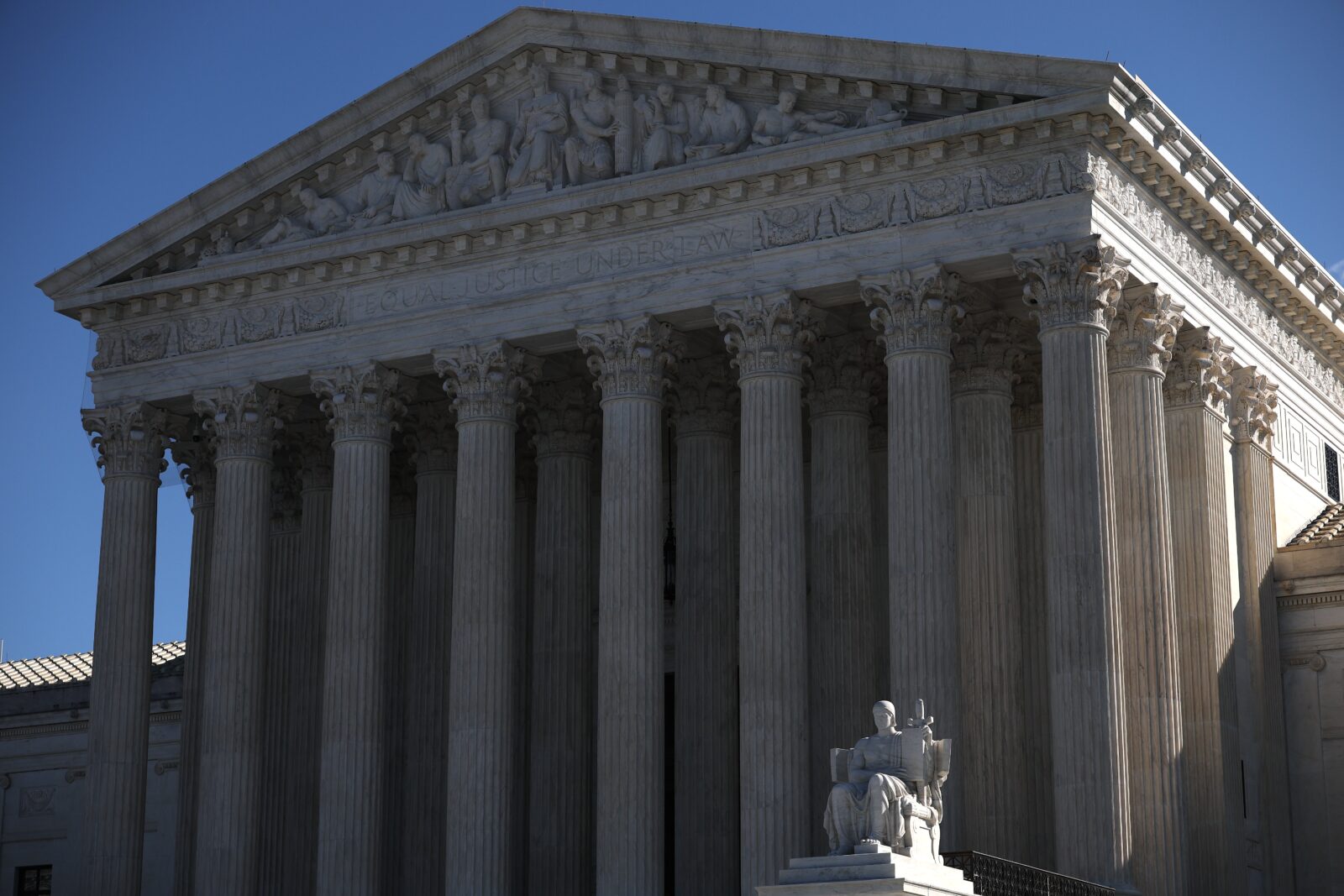

The highest court in the land has decided not to hear a case on whether AI-generated art can be copyrighted under U.S. law, as the battle over digital creation continues.
On Monday, the U.S. Supreme Court declined to hear an appeal involving an artist refused copyright for digital art created by a personal AI software. Plaintiff Stephen Thaler filed for copyright of a piece of moving digital art in 2018. The application was rejected by the U.S. Copyright Office in 2022. The office argued that the Missouri computer scientist’s art was not eligible for copyright protection because it was not created by a human.
The decision preceded a 2025 report by the U.S. Copyright Office that offered further interpretation of the law and eligibility for copyright shelter, writing that “unedited outputs of generative AI tools” wouldn’t qualify for protection. The report added that art facilitated by AI but “retained the centrality of human creativity” could be eligible, but not expressive elements solely determined by a machine.
The copyright of AI-generated and AI-assisted works of art remains an ongoing battle. The office has previously rejected copyright claims by artists who argue certain forms of art created with the assistance of AI tools — rather than art generated independently by AI software — should fall under the 2025 interpretation of U.S. copyright law.
Thaler has also appealed to the Supreme Court over rejected U.S. Patent and Trademark Office applications, urging the court to decide whether or not AI-generated inventions are eligible for U.S. patent protection. The Trump administration had been placing pressure on the court to deny hearing Thaler’s copyright case, CNBC reports.
Thaler’s lawyers expressed disappointment in the court’s decision not to take the case. “Even if it later overturns the Copyright Office’s test in another case, it will be too late. The Copyright Office will have irreversibly and negatively impacted AI development and use in the creative industry during critically important years.”


Related Articles

Barkbox Promo Codes and Discounts: Up to 50% Off
Save on Barkbox subscriptions, including monthly themed collections of plush toys, tough...

Hurdle hints and answers for March 4, 2026
If you like playing daily word games like Wordle, then Hurdle is...
Today’s NYT Mini Crossword Answers for Wednesday, March 4
Here are the answers for The New York Times Mini Crossword for...

Is that message spam or real? This Android trick helps you ID the scams
Are your chats and DMs flooded with scams? If you have a...
Leave a comment