



Nevada sues Kalshi for operating a sports gambling market without a license

Nevada is taking action against the rapidly growing Wild West of prediction markets. The state’s gambling regulators and attorney general sued Kalshi on Tuesday. They accuse the company of bypassing Nevada law by operating a sports gambling market without proper licenses. In addition, they say Kalshi provides services to individuals under 21, which violates state law.
The lawsuit follows a federal appeals court’s rejection of Kalshi’s request to prevent the state from pursuing legal action. And it comes a day after the Trump administration claimed that only the federal government has the right to enforce the industry.
Prediction markets, which allow users to bet on events such as sports, political outcomes and wars, have exploded in popularity. Business Insider reports that Kalshi did 27 times as much business during this year’s Super Bowl as last year’s. Some of that growth has been at the expense of regulated gambling; Nevada’s gambling operations did less business during this year’s game.
“Kalshi has continued to dramatically expand its business, rather than attempting to maintain any kind of status quo,” Nevada regulators wrote in a letter this month.
Kalshi and rival Polymarket insist that their businesses are “event contracts” and should be regulated as financial investments rather than gambling. The Trump administration, rife with conflicts of interest in this area, agrees. The Chair of the Commodity Futures Trading Commission (CFTC) filed an amicus brief on Tuesday, claiming that it alone has the authority to enforce the prediction market.
“The CFTC will no longer sit idly by while overzealous state governments undermine the agency’s exclusive jurisdiction over these markets by seeking to establish statewide prohibitions on these exciting products,” CFTC Chair Michael Selig wrote in a Wall Street Journal op-ed.
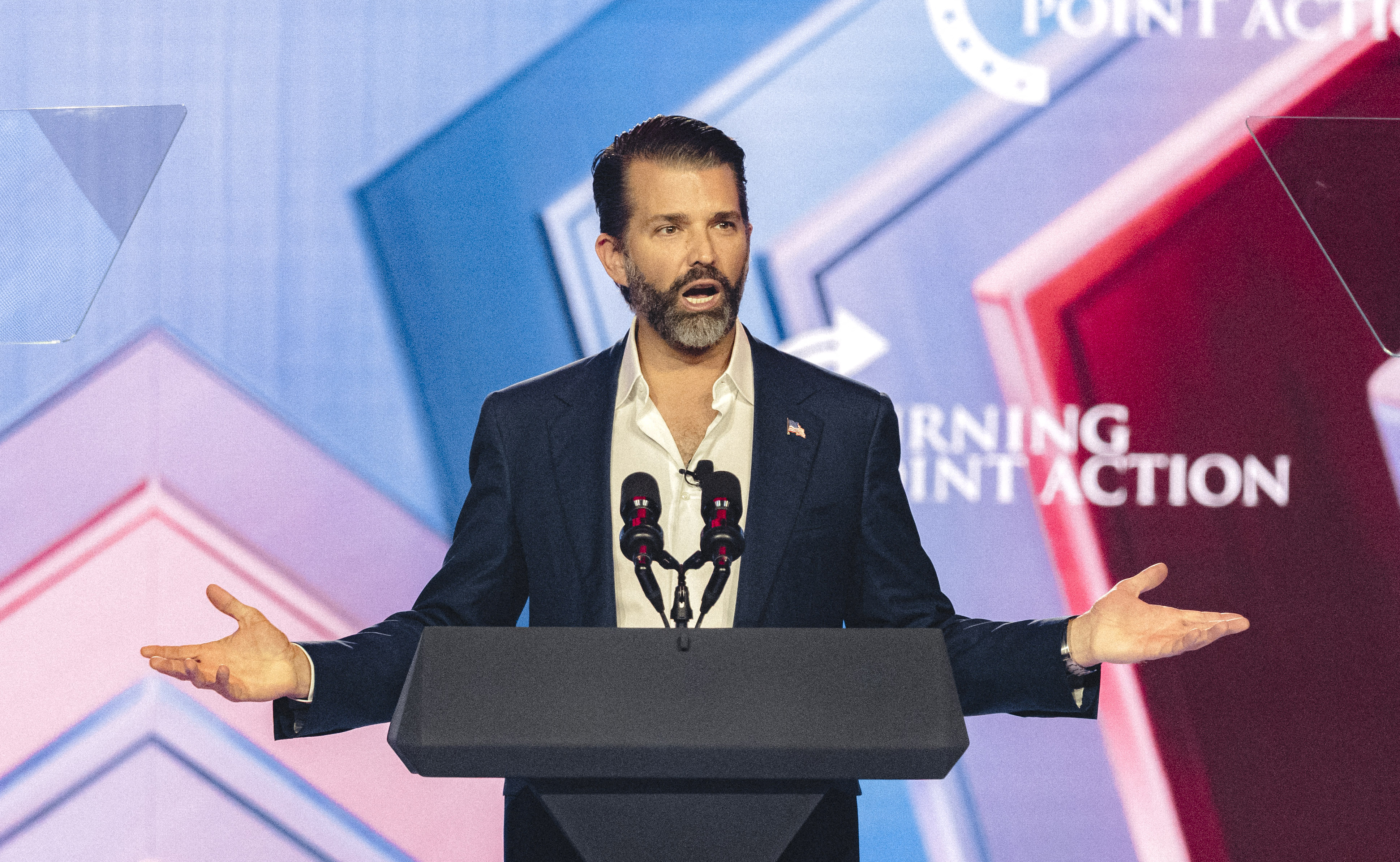
Not coincidentally, prediction markets are a growing part of the Trump family business. Donald Trump Jr. is a paid adviser to Kalshi. He’s also an investor in and unpaid adviser to Polymarket. In January, his family’s social media business said it would launch its own prediction market platform.
Prediction markets have the potential to be a hotbed of insider trading. According to blockchain analyst DeFi Oasis, fewer than 0.04 percent of Polymarket accounts have captured over 70 percent of the platform’s total profits, totaling over $3.7 billion.
Last month, The Guardian highlighted the case of a Polymarket user who bet tens of thousands of dollars on “yes” to the question, “Israel’s military action against Iran by Friday?” Within 24 hours, Israel bombed Iran, leaving hundreds dead. The user made $128,000 on that bet. The Guardian traced the blockchain data to a wallet associated with an X account. Its location on the social platform was set to Beit Ha’shita, a northern Israeli settlement. The user later transferred their bets to two other accounts, apparently to avoid detection. In January, the accounts held 10 live bets on Israeli military strategy.
Another anonymous user made over $400,000 by betting that Nicolás Maduro would be ousted by the end of January. The bets were placed in the hours and days leading up to the US strikes on Venezuela. In another case, eight jointly owned accounts collectively generated over $161,000 by betting on the country’s María Corina Machado Parisca winning the Nobel Peace Prize. The accounts’ handles used names such as “fmaduro,” “madurowilllose,” “striketheboats” and “trumpdeservesit”.
This article originally appeared on Engadget at https://www.engadget.com/big-tech/nevada-sues-kalshi-for-operating-a-sports-gambling-market-without-a-license-175721982.html?src=rss

Related Articles
SeatGeek and Spotify team up to offer concert ticket sales inside the music platform
SeatGeek announced on Wednesday a new integration with Spotify, bringing a seamless...
Cyberpunk platformer Replaced has once again been delayed
The long-awaited cyberpunk platformer Replaced just got hit with a short delay....
Get the new Google Pixel 10a for $4/month at AT&T (plus free Pixel Buds)
The Google Pixel 10a is available for preorder now, and AT&T is...

Apple’s AirDrop Now Works With More Pixel Phones
Google’s Quick Share is expanding, allowing more Pixel phones to send media...
Leave a comment