





Moon phase today: What the Moon will look like on February 13
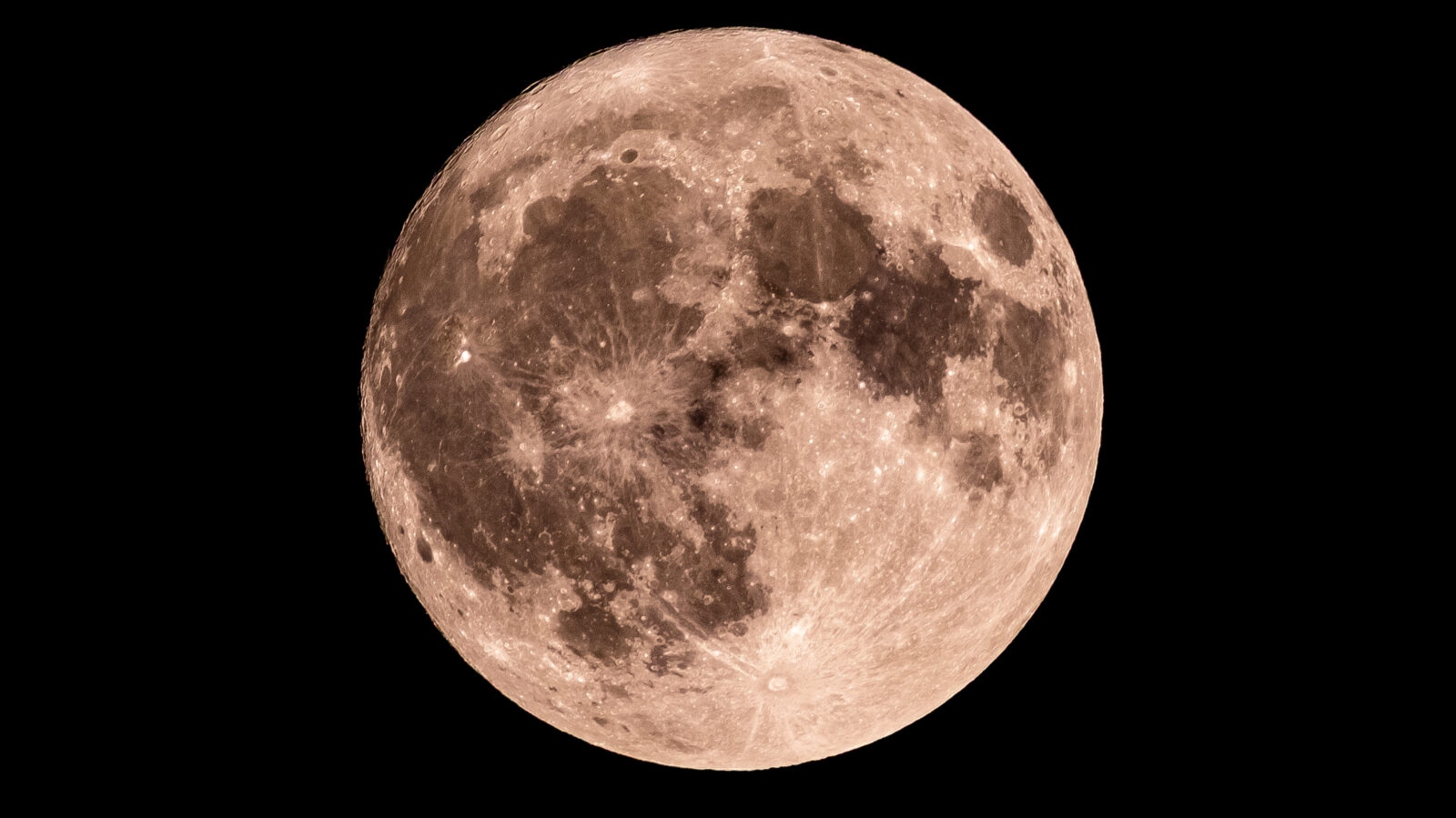

While today’s date may be unlucky for some, this isn’t the case for those hoping to catch a glimpse of some lunar features before the Moon descends into New Moon darkness. There’s a very small glimpse of Moon available to see, so keep reading to find out what you’re seeing.
What is today’s Moon phase?
As of Friday, Feb. 13, the Moon phase is Waning Crescent. According to NASA’s Daily Moon Guide, 17% of the Moon will be lit up tonight.
With no visual aids the only feature you can spot is the Aristarchus Plateau. According to NASA, this is a crater around 25 miles in diameter. A pair of binoculars will also let you see the Grimaldi Basin, meanwhile a telescope will bring the Schiller Crater into view.
When is the next Full Moon?
The next Full Moon will be on March 3. The last Full Moon was on Feb. 1.
What are Moon phases?
According to NASA, the Moon takes around 29.5 days to complete one orbit around the Earth. Throughout that time, it goes through eight different phases of visibility. Even though we always see the same side of the Moon, the part that’s lit up changes as it moves along its orbit. The amount of sunlight reflecting off the surface is what makes the Moon look full, partly lit, or almost dark at different points. The eight phases are:
New Moon – The Moon is between Earth and the sun, so the side we see is dark (in other words, it’s invisible to the eye).
Waxing Crescent – A small sliver of light appears on the right side (Northern Hemisphere).
First Quarter – Half of the Moon is lit on the right side. It looks like a half-Moon.
Waxing Gibbous – More than half is lit up, but it’s not quite full yet.
Full Moon – The whole face of the Moon is illuminated and fully visible.
Waning Gibbous – The Moon starts losing light on the right side. (Northern Hemisphere)
Third Quarter (or Last Quarter) – Another half-Moon, but now the left side is lit.
Waning Crescent – A thin sliver of light remains on the left side before going dark again.

Related Articles

Former health minister calls for digital pathway for alcohol addiction
Dr Dan Poulter, associate medical director of Norfolk and Suffolk NHS Foundation...

Wrexham vs Ipswich Town Free Streams: How to Watch FA Cup 4th Round Tie 2025/26
Wrexham will welcome Ipswich Town to the Racecourse Ground for a fourth-round...

The best Presidents Day streaming deals: Starz, YouTube TV, Hulu, and more
The best Presidents’ Day streaming deals at a glance: Starz $2.99 per...


Get more reading done with 20% off the like new Kindle Paperwhite
SAVE $29: As of Feb. 13, get the Like New Amazon Kindle...
Leave a comment