





Indie Basement (2/27): the week in classic indie, alternative & college rock
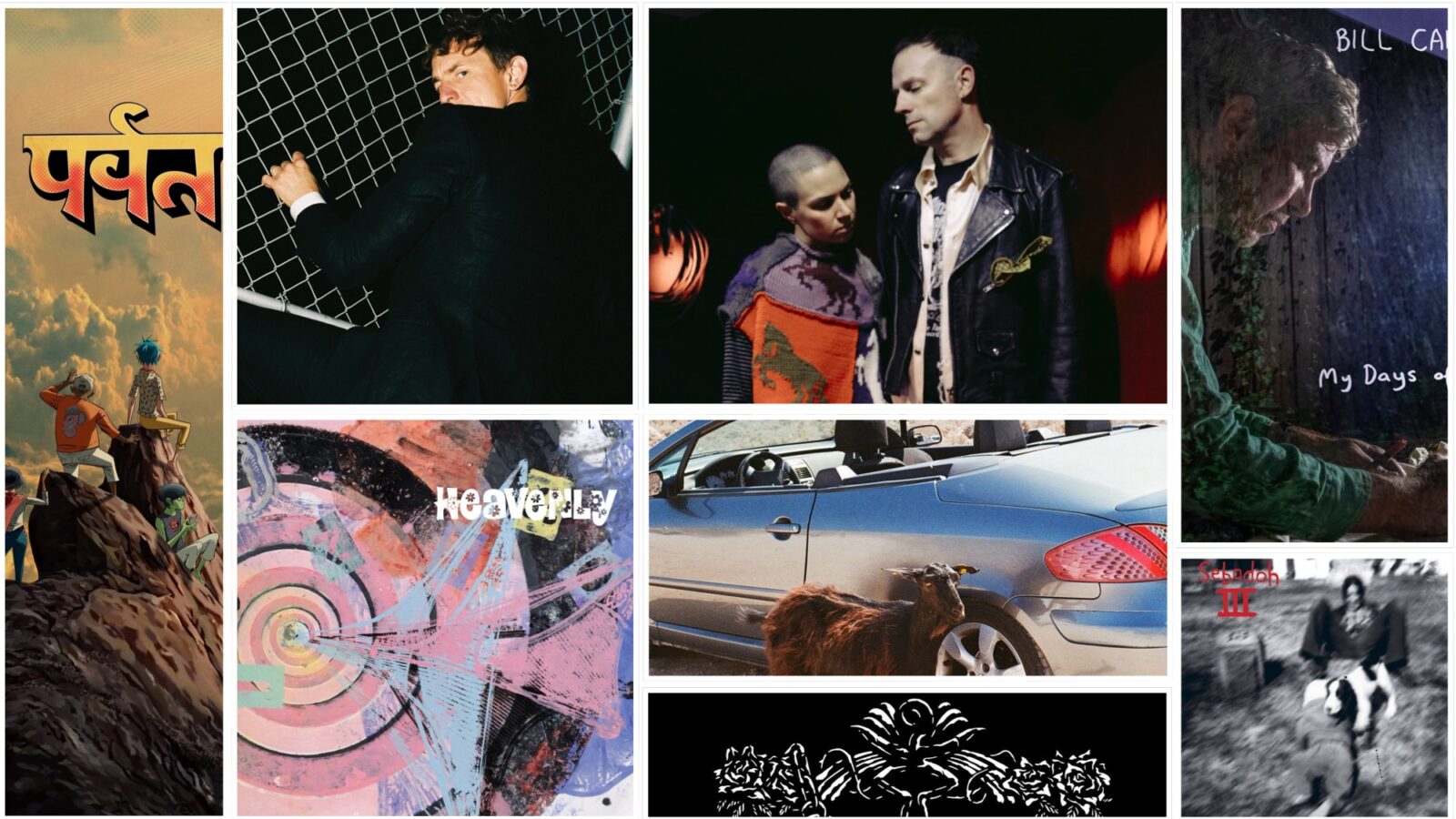
Goodbye February and hopefully all the snow NYC has been getting, but hello to the avalanche of new releases that really starts this week. There are seven reviews this week, and in addition to my Album of the Week I’ve got three runner ups and two others that could also get it. Even I won’t give AOTW status to all but one album (and I like that one too) but really…this is a great week for music.
This week’s Indie Basement Classic is a low-fi all-timer.
For even more of this week’s good stuff, head to Notable Releases which covers new ones from Voxtrot, Crooked Fingers, Mitski, and more.
On this week’s episode of BV Interviews, I talk to Big Thief’s Buck Meek.
Head below for this week’s album reviews…

ALBUM OF THE WEEK: Buck Meek – The Mirror (4AD)
Big Thief’s Buck Meek breaks his own rules — and finds light in the dark on his wonderful fourth solo album
“With this album in general, I tried to practice just doing the thing that I was afraid to do,” Big Thief guitarist Buck Meek told us about the songwriting process behind his fantastic new solo album, The Mirror. “In the creative process, there’s always inevitable self-doubt that comes up, often based on what you think other people want or some kind of external pressure or taboo. To some degree, the creative process is just working around those fears. With this one, I tried to really lean into those things. If I felt something come up that I was afraid to say, I just said it louder or leaned into it, emphasized it, and did the thing I wasn’t supposed to do — broke my own rules.”
We are in dark times, but on The Mirror, Buck Meek is finding joy and hope. It’s a treacherous route to take — one filled with potential treacle and empty calories — but he hits the right note more often than not, whether it’s an intimate love song or capturing a magic moment while caregiving for a family member with dementia. It’s a brave album in many ways, one that somehow makes you feel better about the world without ever sounding forced or cheap. These songs come from the heart and land in the same place.
What makes The Mirror especially compelling, beyond Buck’s wonderful songwriting, is the production by his Big Thief bandmate James Krivchenia, who brings his interest in synthesizers, ambient music, and sound design into the arrangements. Modular synths were set up to be triggered by the organic instruments — drums and guitar — as they were played live, which in turn triggered even more synthesizers. That may not be the most elegant explanation of what’s happening, but the result is a richly layered, deeply rewarding listen. There are so many magical touches: the ping-ponging percussion melody in “Ring of Fire” (not the Johnny Cash song), the vocal samples on “Can I Mend It?,” and the perfectly placed bleeps and bloops of “Heart in the Mirror.”
There’s also guitarist Adam Brisbin, who adds another layer of texture and has a way with a solo that can be melodic, purposeful, and totally out there while still sticking the landing every time. (He’s been compared to Marc Ribot more than once, which feels about right.) Take “Worms,” for example — a song that is both whimsical and profound, complete with a stellar whistling solo. Much like his lyrical approach on The Mirror, Buck dares to do the uncomfortable thing, leaning into it — and making it work.
—
I talked to Buck on on this week’s episode of BV Interviews.
—
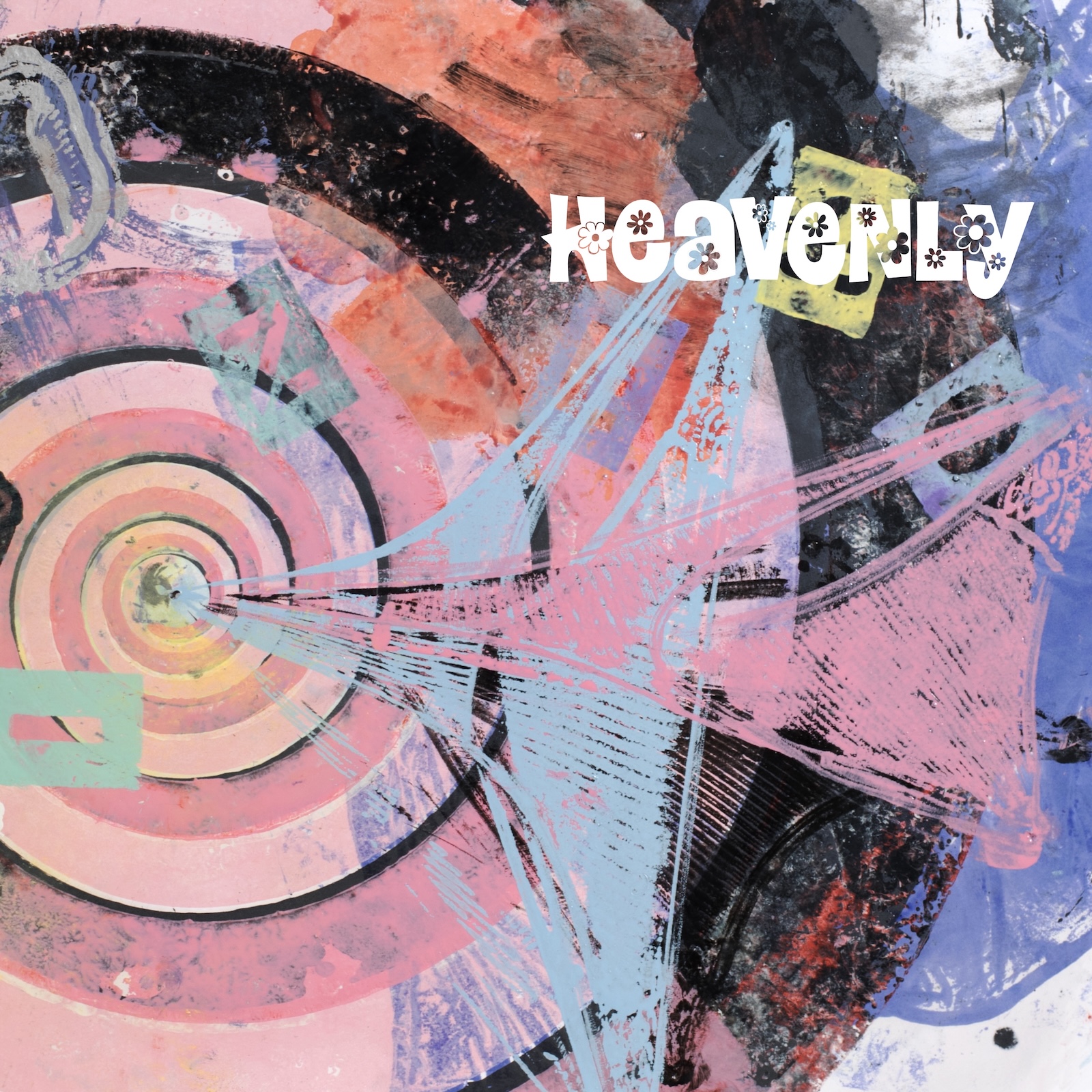
ALBUM OF THE WEEK #2: Heavenly – Highway to Heavenly (Skep Wax)
Heavenly’s first album in 30 years honors the past while writing a joyful future
Amelia Fletcher and Rob Pursey are British indiepop royalty, having made music together for 40 years across various cultishly loved groups. But they’re best known for their ’90s-era band Heavenly, whose mix of sweet janglepop melodies and often serious lyrics was dismissively labeled “twee” by UK journalists, but embraced in the US by both the riot grrrl scene and what Beat Happening/K Records founder Calvin Johnson dubbed “The International Pop Underground.”
Heavenly came to a sudden end in 1996 when drummer — and Amelia’s brother — Matthew Fletcher took his own life. The surviving members carried on as the also-great Marine Research, but there was something uniquely special about Heavenly’s four albums and run of singles. During the pandemic, the band found a whole new audience when “P.U.N.K. Girl” and “Me and My Madness” became viral hits on TikTok, and the singles compilation A Bout de Heavenly further fueled interest. Heavenly reunited for a London show, which snowballed into sold-out dates in the UK and US.
“Then we thought, well, we should not just be like a covers band of Heavenly doing old songs,” Amelia told us. “We’ve made music [in other groups] all along. We didn’t want to suddenly be an ‘old group.’” So she wrote a batch of new Heavenly songs, which the current lineup brought to life. Highway to Heavenly is as lively and pointed as their ’90s material, standing confidently beside their previous albums while feeling neither like a manufactured antique nor a “hello, fellow kids” play to new fans.
There are odes to Heavenly-friendly cities (“Portland Town”), witty takedowns of various strains of toxic masculinity (“Press Return,” “A Different Beat,” “Scene Stealing”), and a touching tribute to Matthew (“That Last Day”), all set to truly wonderful melodies and playful arrangements. Then there’s “Skep Wax” — also the name of Amelia and Rob’s label — which celebrates the joy of music itself: “Songs take you unexpected ways / And break your heart on every single day… Tick tock, twelve o’clock / No time for sleep / When there is still more music to be heard.”
Highway to Heavenly isn’t Remember When. It’s a brand-new, wonderful chapter.
—
I also talked to Amelia and Rob on an episode of BV Interviews.
Highway To Heavenly by Heavenly
—
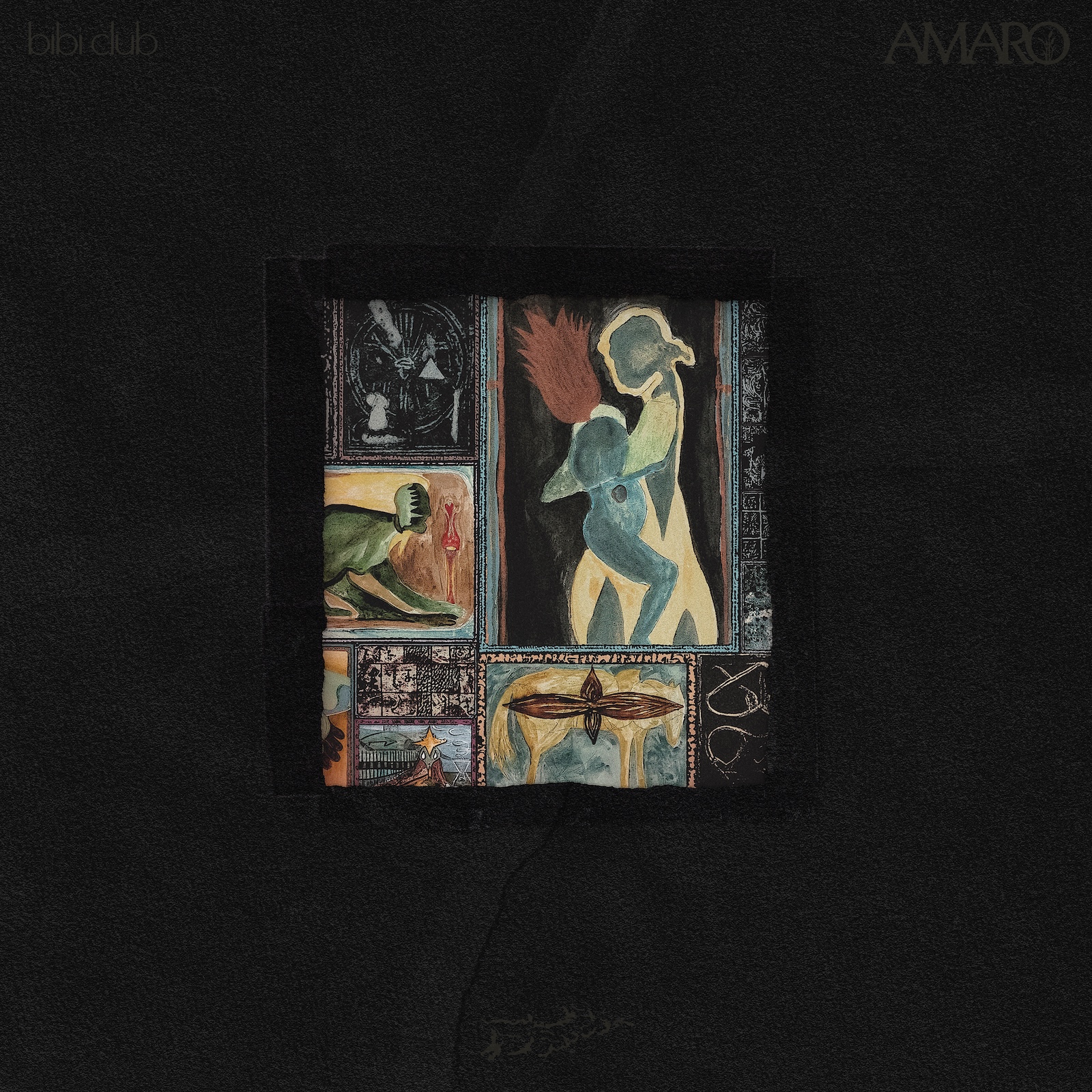
ALBUM OF THE WEEK #3: Bibi Club – Amaro (Secret City)
The Montreal band make a melancholy dance party on their excellent third album
Montreal’s Bibi Club — Adèle Trottier-Rivard and Nicolas Basque (Plants & Animals) — made one of 2024’s best albums with their second longplayer, Feu De Garde, but they may have bettered it with Amaro. It’s an evolution of that album’s signature sultry, melancholic sound — a windswept mix of shoegaze, jazzy tropicalia, and vintage synths and drum machines — that this time leans into dancier grooves inspired by early-’80s minimal wave. It’s a tantalizing combination that makes them feel even more singular.
The template is set on opener “Infinité,” built on a ticking rhythm box and rolling, arpeggiated bassline before Adèle’s breathy, mysterious vocals enter the scene. Then comes Nicolas’ distinctive guitarwork, spinning delicate, interlocking spiderweb patterns, hazy atmospherics, and occasional bursts of noise. Amaro’s title track leads with guitar before that electronic rhythm section kicks in, turning it into an undeniable hazy banger complete with a festival-worthy drop. There are also heady, krautrock-leaning songs like “A Different Light” (featuring Helena Deland) and “Les Vagues,” the skronky, urgent “George Sand,” the sinister “Washing Machine,” and the spooky, ethereal “Cérémonie” and “Le château.”
Thematically, grief and loss thread through the album, but Nicolas told Melt FM that ultimately the vibe they were aiming for was release and liberation: “You’re in ancient ruins and you can dance your life away, with people dancing all strange, every generation mixed.” Welcome to Club Catharsis.
—
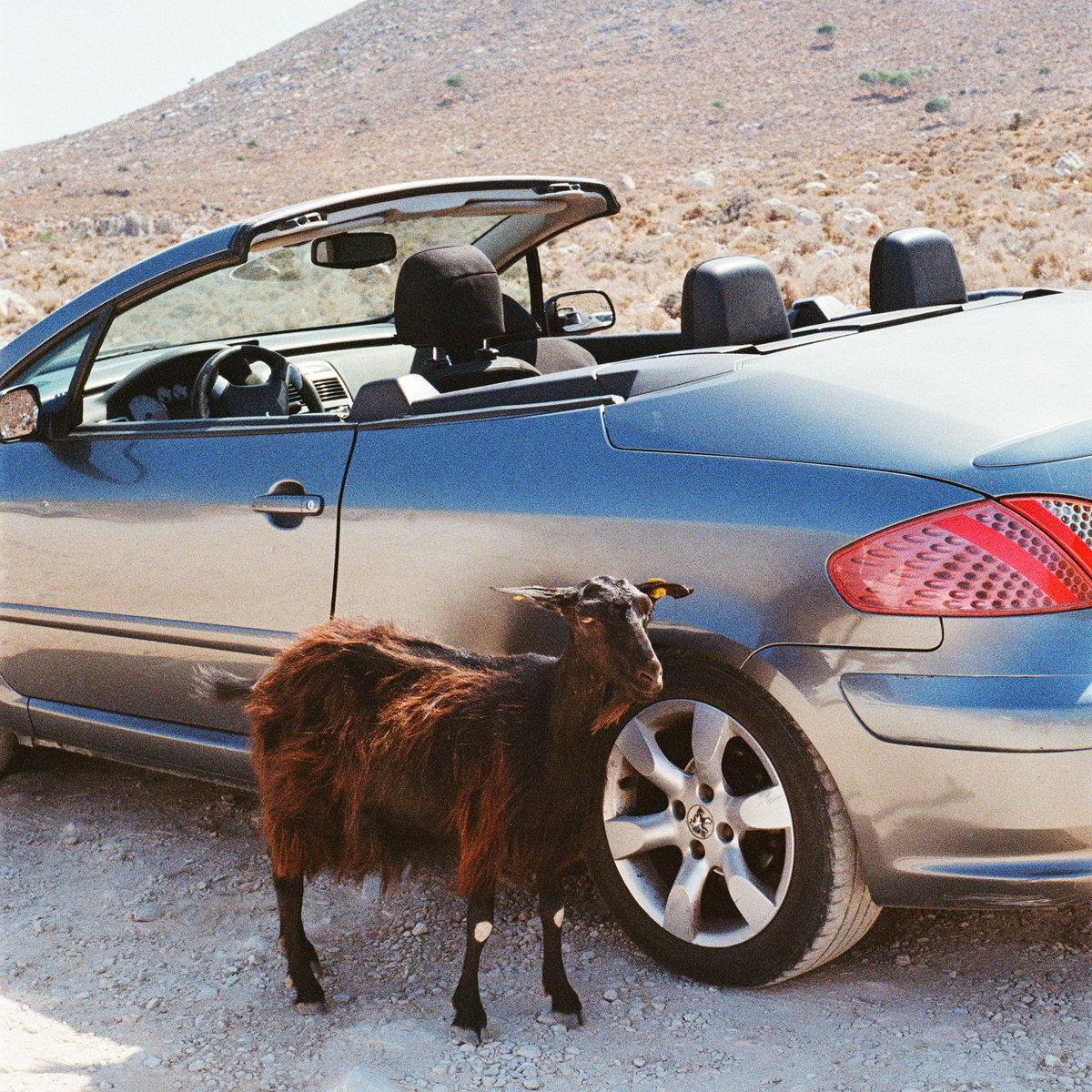
ALBUM OF THE WEEK #4: EXEK – Prove the Mountains Move (DFA)
EXEK thaw out on their first album for DFA without losing their edge
After a decade of taut, paranoid post-punk records on labels like Castle Face and W.25th, Australia’s EXEK have landed on DFA for their seventh album. The permafrost had already begun to melt on 2023’s The Map and the Territory, and Prove the Mountains Wrong feels almost bucolic in its verdant melodies and arrangements.
“Working on new music took a distant backseat to raging with friends,” EXEK architect Albert Wolski says of the album’s origins during Australia’s strict COVID lockdowns. “And those parties were filled with big bangers as the soundtrack — stuff I didn’t really listen to on my own, stuff I hadn’t really encountered since my adolescence. But in the early hours of Sunday morning, ‘Alive’ by Pearl Jam sounds like you’re talking to God. And so does ‘All I Wanna Do’ by Sheryl Crow, and so does ‘Feel’ by Robbie Williams. Krautrock and dub were still in my DNA, but the music that I started to make was perhaps a little more lighthearted, and perhaps a bit more emotional.”
Don’t worry, Prove the Mountains Wrong does not sound like Pearl Jam, Sheryl Crow, or Robbie Williams — not that there’s anything wrong with that — but this is by far EXEK’s friendliest, catchiest batch of songs to date. This is still EXEK, however, so everything remains just a little on edge. Instead of evoking The Pop Group and This Heat, these songs feel closer to the poppiest moments on Wire’s 154, Bowie’s Berlin trilogy, and Be Bop Deluxe frontman Bill Nelson’s solo work.
The album opens with the wonderfully tilted earworm “Sidestepping,” all sunbeams on the coldest day of the year, featuring this perfect opening verse: “That’s a burly gate that you climbed / And honestly we hoped that you’d fall / That would make your entrance so much better / Into the best place on earth to discover / All forms of Japanese jazz / So unpack your bag you young jet setter.”
Other gems include the dubby, Eno-esque “Visiting Dust Bunnies,” the suspended beauty of day-drinking ode “Spotless,” the grimy waltz “You Have Been Blessed,” and jazzy, transcendent closer “Chef’s Hat Renaissance.” One of the best new underground bands of the last decade, EXEK continue to surprise and improve while staying wonderfully weird.
Prove The Mountains Move by EXEK
—
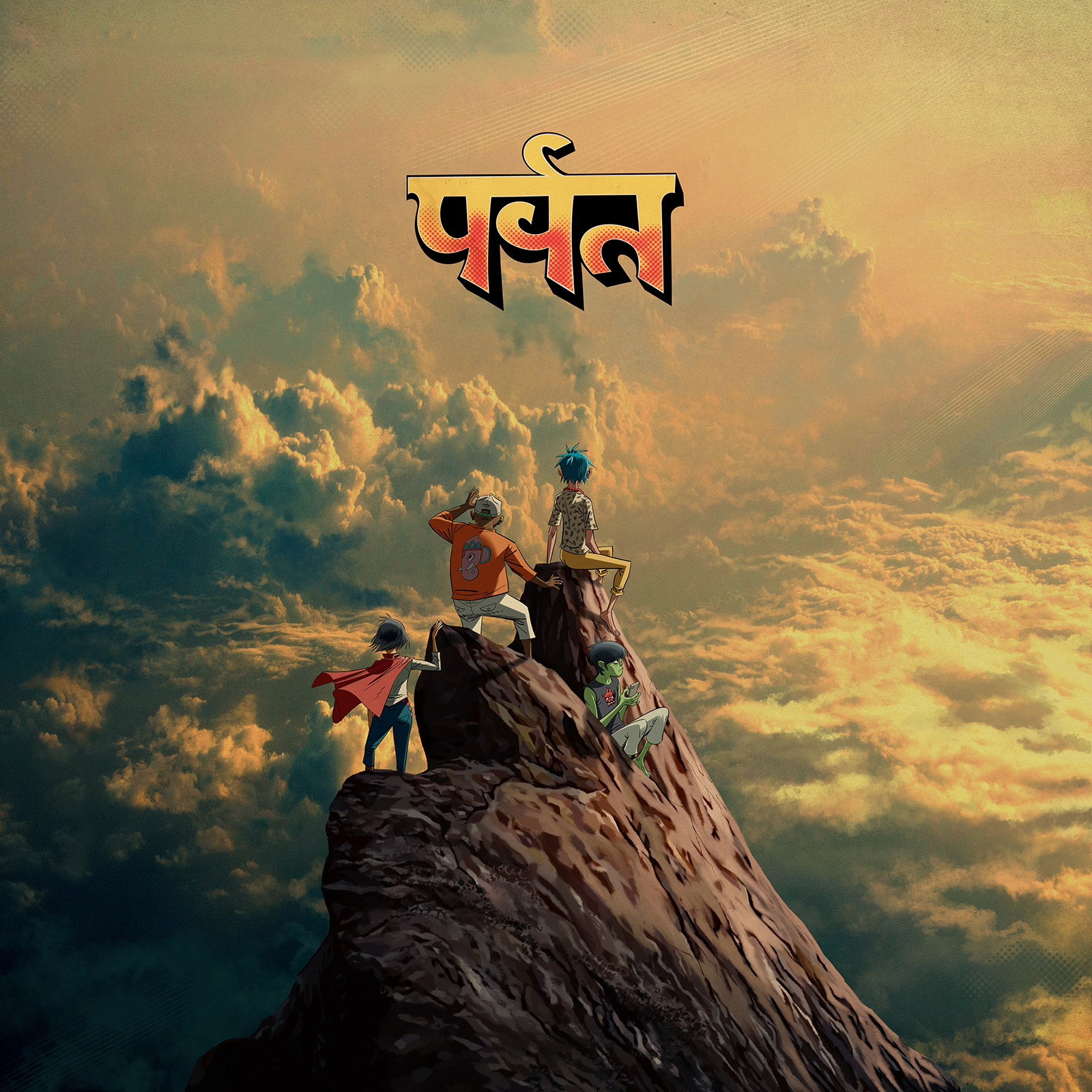
Gorillaz – The Mountain (Kong Records)
Death inspires Gorillaz’s best album since ‘Plastic Beach’
“No more bad news,” Damon Albarn sings on “The Happy Dictator,” one of the bounciest tracks on Gorillaz’s ninth album, but death hangs over the record like a storm cloud. Since the last album, both Albarn and his visual collaborator Jamie Hewlett lost their fathers within 10 days of one another. They crafted The Mountain as both a way to mourn and to pay tribute to them and other friends they’ve lost. Albarn and Hewlett traveled to India — where death is seen as a continuum with life — recording much of the album in Mumbai, New Delhi, Rajasthan, and Varanasi, working with Ajay Prasanna, Anoushka Shankar, Amaan Ali Bangash, Ayaan Ali Bangash, and Bollywood playback legend Asha Bhosle, who brings a welcome new flavor to what is the best, most fully realized Gorillaz album since Plastic Beach.
This is not a funeral, though — it’s a joyous wake, celebrating the lives and art of those who’ve passed. Part of that involves using outtakes from previous Gorillaz collaborators who are no longer here, including Bobby Womack, De La Soul’s Trugoy the Dove, Tony Allen, Mark E. Smith, and Dennis Hopper. “I just thought, if we’re going to talk about the subject of death, I need some people who are dead to help me talk about it,” Albarn told Rolling Stone. “Somehow they know more about it than me.”
There are plenty of living guests as well, including Johnny Marr, IDLES, Gruff Rhys, Omar Souleyman, Black Thought, Bizarrap, Yasiin Bey, Clash bassist Paul Simonon, Sparks, and more. Recent Gorillaz albums have sometimes felt a bit “too many cooks,” but on The Mountain everyone has a place and serves a purpose. The album’s concept and fresh sonic color palette make this world feel newly vivid. The magic is especially strong on “The Moon Cave” — a duet between Albarn and Asha Puthli that also features Black Thought, Womack, and Trugoy — as well as the synthpoppy Sparks collaboration “The Happy Dictator,” the banger “Damascus” (ft. Omar Souleyman and Yasiin Bey), and “The God of Lying,” which taps back into “Clint Eastwood” territory.
The dreamier, more introspective songs are terrific, too, including “The Shadowy Light” (ft. Gruff Rhys and Asha Bhosle), the waltzing “Casablanca” (ft. Paul Simonon and Johnny Marr), and the lovely, touching “The Empty Dream Machine.” Best of all is the two-song suite of the elegiac “The Hardest Thing,” which flows into the ebullient “Orange County.” Both hinge on the repeated phrase “You know the hardest thing is to say goodbye to someone you love,” but the latter sets it against a breezy melody and arrangement full of sitars, flutes, and whistling, as a duet with poet and songwriter Kara Jackson. Like much of The Mountain, Albarn finds little rainbows in the tears.
—
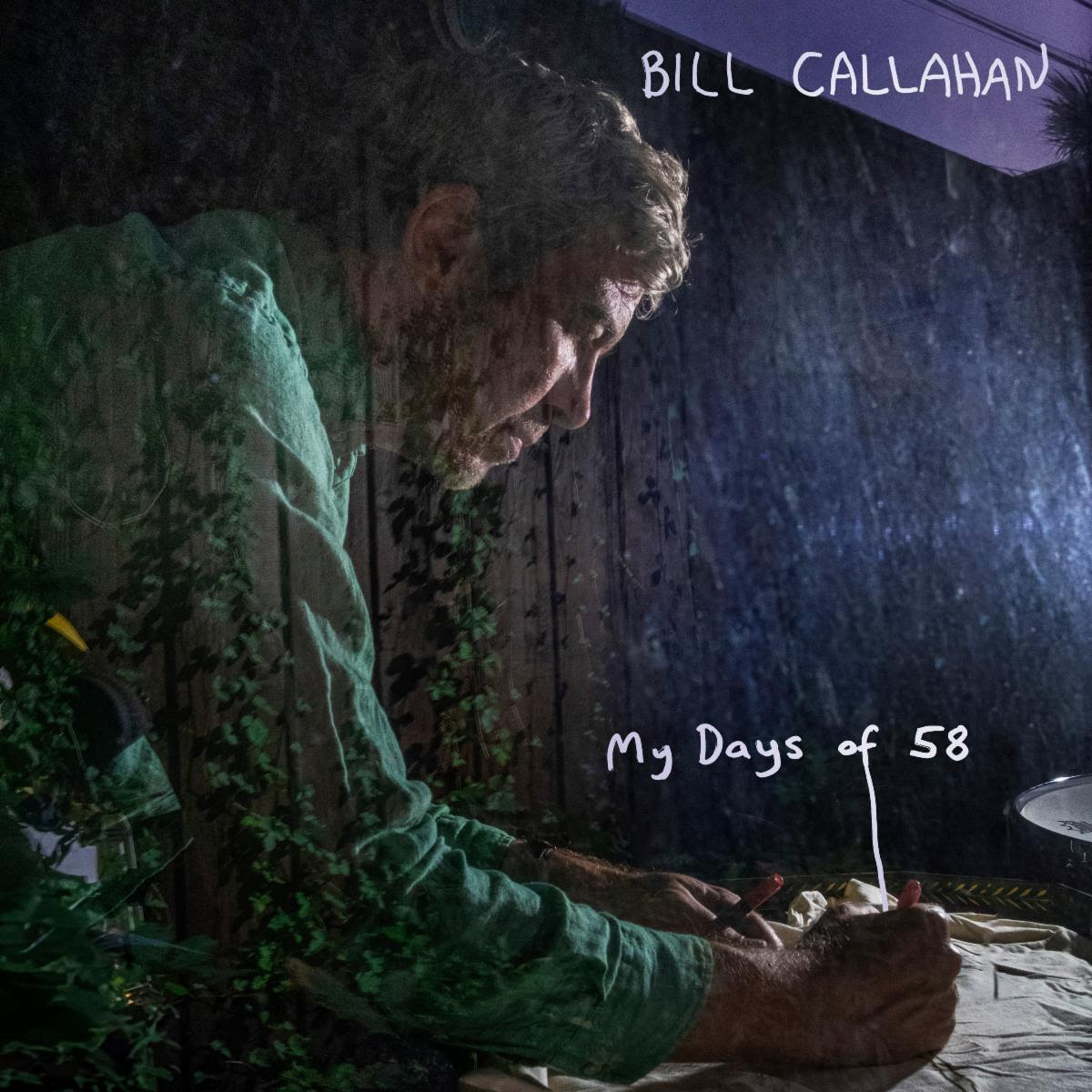
Bill Callahan – My Days of 58 (Drag City)
“Lou Reed was waiting for me, all dressed in white,” Bill Callahan sings about a death dream that opens his new album. “I said Lou Lou Lou / What is this place that you took me to… He looked me deep in the eye / Gave me that warm handshake / And said, It’s cool / Baby you just got to let it ride / Into a dwarf star or a black hole or someone else’s soul.”
Thank goodness for Bill Callahan, who has been making wonderful, poignant, and often very funny music for three decades. His latest album, My Days of 58, is another gem — a laid-back, loose rumination on mortality and grief (there’s a lot of that going around) spurred by the death of his father, a cancer scare, and his 60th birthday looming on the horizon. As usual, he approaches it with his warm, empathetic style, an ear for dialogue, an eye for telling details, and a knack for slipping in non sequitur zingers — like that Lou Reed cameo in “Why Do Men Sing?”
Gentle horns enrich the album’s appealing arrangements, and the production offers plenty of headroom in the stereo field so you can fully chew on his words, which land whether you’re in his demographic or not. “And now my biggest fear is not the dying,” he sings later. “My biggest fear is that I’ll stop trying to be the man I’m supposed to be.” It’s a simple line, but in Callahan’s hands it feels profound — clear-eyed about the inevitable, but still invested in the ride.
My Days of 58 by Bill Callahan
—
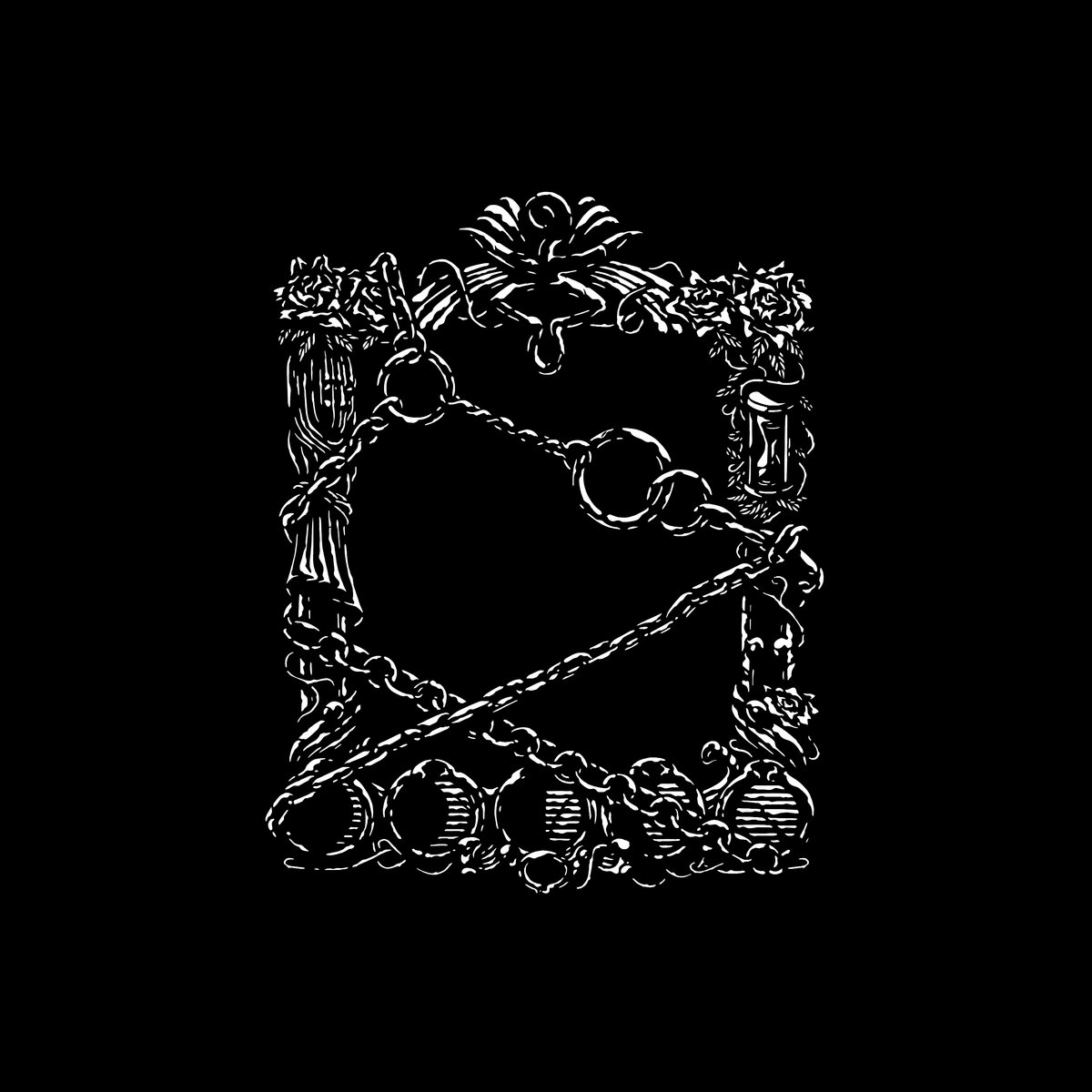
TVAM – Ruins (Invada)
Icy synths, motorik pulse, and goth grandeur from Greater Manchester.
Joe Oxley, who resides in Wigan, part of Greater Manchester, has been conjuring dreamy darkwave for the better part of a decade as TVAM. There’s plenty of classic goth in what he does, but you can also feel the pull of downtempo and shoegaze, and over the course of three albums he’s carved out his own corner of the obsidian. The latest is Ruins, his second release for Geoff Barrow’s Invada Records.
He’s got the sonic aesthetics dialed in, somewhere between The Cure and Depeche Mode, and Boards of Canada and Ulrich Schnauss — icy layers of synthesizers melding with glacial guitars, pulsing electronic bass, and motorik rhythms. Ruins is at its best when it goes big, like on “Powder Blue,” which juggles Sisters of Mercy-style bombast with sweeter pop melodies.
“Hope and despair don’t cancel each other out,” Oxley says. “They can co-exist — that’s what makes it feel real.” That tension is what gives Ruins its pulse.
—

INDIE BASEMENT CLASIC: Sebadoh – III (Homestead, 1991)
Lo-fi and lonesome, Lou Barlow helped define ‘90s indie rock with this one
Ousted from Dinosaur Jr., Lou Barlow focused his energy on Sebadoh, his solo project that soon expanded to include Eric Gaffney and would become a full-fledged band with the addition of Jason Lowenstein. The group’s lo-fi approach and Barlow’s confessional, self-deprecating, emotionally raw songs helped shape the sound of ’90s indie rock. They practically wrote the book on it — or at least the EP — with 1991’s “Gimme Indie Rock!,” the first release to feature Lowenstein.
They followed that EP later the same year with Sebadoh III, which remains their magnum opus. The album opens with “The Freed Pig,” where a very resentful Lou vents his spleen over his relationship with J. Mascis in Dinosaur Jr., and from there the record careens through everything from hardcore and doomy hard rock (often at the hands of Gaffney), to sensitive folk and Flying Nun-style jangle-pop (courtesy of Barlow), to stoner jams (Lowenstein), plus covers of Minutemen’s “Sickles & Hammers” and Johnny Mathis’ “Wonderful, Wonderful.”
Sebadoh would go on to make other great records — some with far higher fidelity — but none match the exuberance, energy, and cathartic anger of III.
Looking for more? Browse the Indie Basement archives.
And check out what’s new in our shop.


Related Articles
Stephen King Thought This Trippy, Mind-Bending Sci-Fi Show On Netflix Was Terrific
It’s no wonder Stephen King dug this trippy Netflix sci-fi series, given...

Luke Grimes Reveals If Yellowstone Characters Will Cameo In Marshals
Actor Luke Grimes, who played Kayce Dutton on Yellowstone, explains whether we’ll...

Days of our Lives: EJ Involved in Stephanie Stunt?
Days of Our Lives spoilers wonder if EJ DiMera (Dan Feuerriegel) and...


Young and the Restless: Crazy Patty Has Jack – Victor’s Cruel Revenge?
Young and the Restless spoilers confirm Jack Abbott (Peter Bergman) is kidnapped...
Leave a comment