





I Built a Business In My Garage, Got Rejected On Shark Tank — Then Sold It to Amazon for $1 Billion
Key Takeaways
- Siminoff’s Doorbot prototype paved the way for Ring’s official launch in 2014.
- Despite a rejection on Shark Tank, Ring was acquired by Amazon for about $1 billion.
- Now, Siminoff continues to work closely on the product, with a focus on AI.
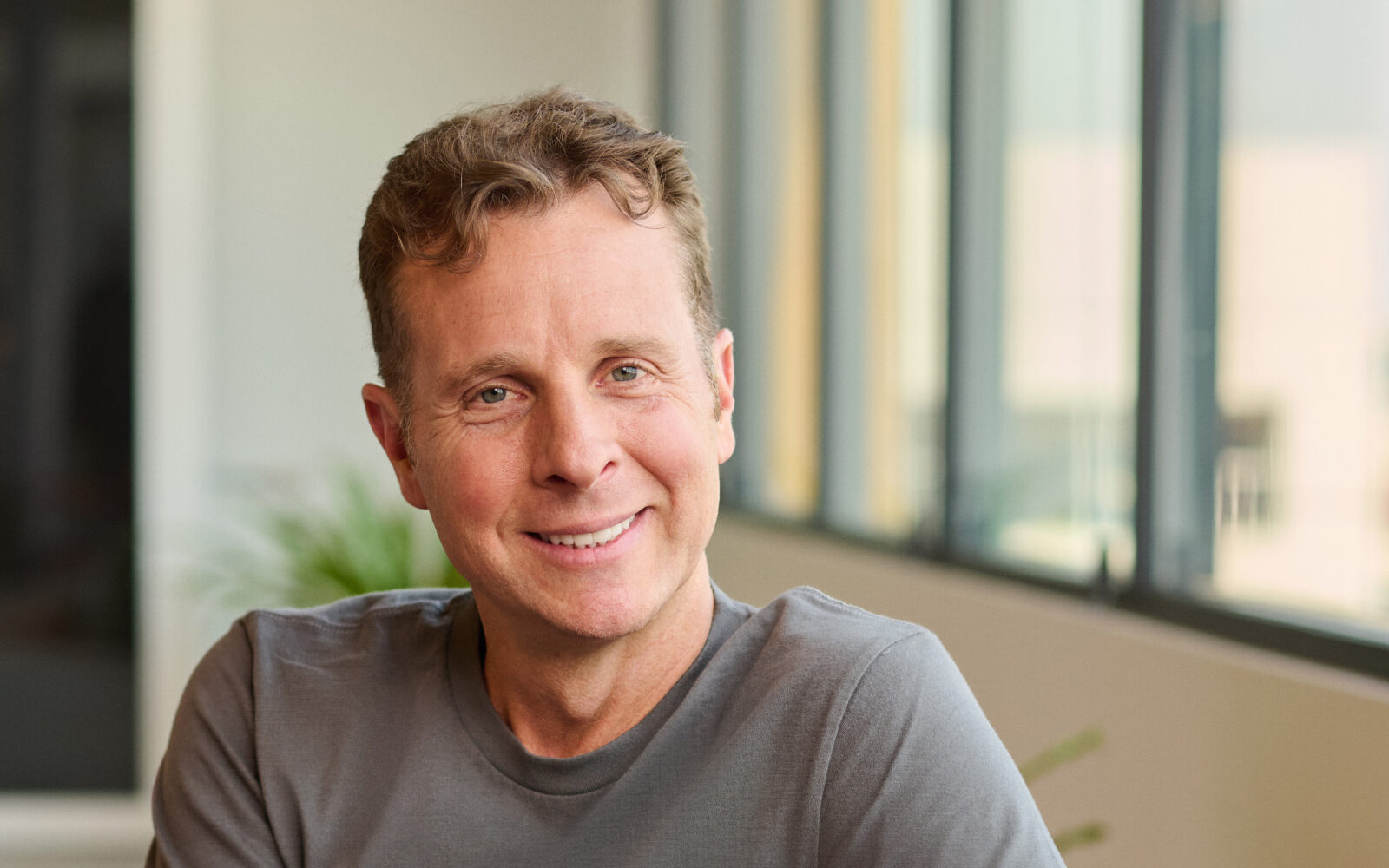
This as-told-to story is based on a conversation with Jamie Siminoff, founder of Ring and author of Ding Dong, which explores how he turned his garage-built prototype into a video doorbell that led to a $1 billion acquisition by Amazon.
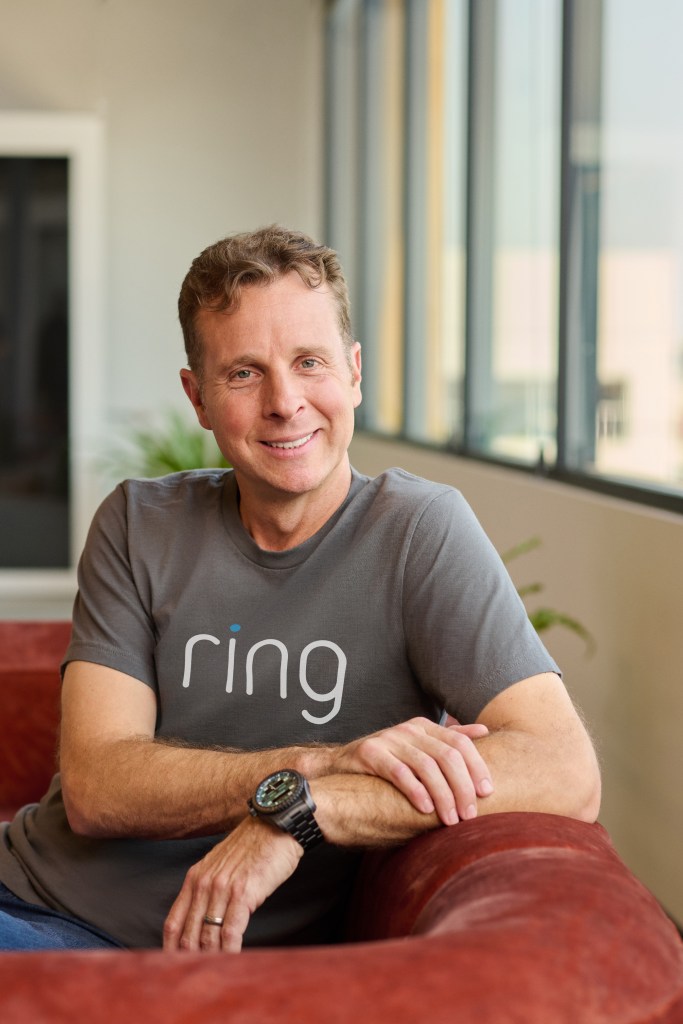
I’ve always been an inventor. As a kid, I would tinker all the time. That ultimately led to working on a bunch of small tech startups as an adult, but nothing huge. I sort of had an entrepreneurial midlife crisis and told my wife I was just going into the garage to work on things. When I was in the garage, I couldn’t hear the doorbell. It was 2011, and I’d just gotten an iPhone, so I figured there must be a doorbell on the market that could connect to my iPhone with Wifi. But nothing existed.
Since I was already in the garage working on various projects, I decided to build one. I took a camera, hacked some stuff up and developed a contraption I called the Doorbot. I put it on my front door. My wife said it made her feel safer at home, which was really the aha moment. It wasn’t just about building the doorbell. It was about understanding that by being connected to the world through our phones, we could approach home security in a totally different way. That changed everything. We set out with the mission to make neighborhoods safer.
The Kickstarter pre-sale and ‘Shark Tank’ appearance
A couple of years later, we ended up doing a pre-sale on Kickstarter, which gained traction, and took the product on Shark Tank in November 2013. I consider Shark Tank the Olympics for entrepreneurs and inventors. It’s a huge opportunity for credibility and awareness. So I trained as if I were an athlete preparing for the Olympics. I built the set in my backyard and had neighbors come over and ask me questions.
Producers had told me to get ready for the Sharks to talk over each other. It’s a lot to manage — and it can’t be boring if the episode’s going to make it on air. You could have the best business in the world, but if it’s twelve minutes of droning on TV, that’s terrible. I watched literally every Shark Tank episode and tagged the ones I wanted to emulate, then watched those again, on repeat.
When I was in front of the Sharks, it was almost like a blackout. They made us do a live demo, and my stress level couldn’t have been any higher because the product was barely working at the time. We weren’t even in mass production yet. After it worked, I figured it was a done deal. I think all entrepreneurs do this: we have this reality distortion, where we sort of have to lie to ourselves in order to survive. I was 100% convinced that Mark Cuban was going to invest. But he backed out within minutes.
Doorbot’s rebrand to Ring and skyrocketing sales
For a few days, I was worried the episode wouldn’t even air because we didn’t get a deal. But it did. We realized quickly from the response to Shark Tank that people understood this wasn’t just a new gadget, but a really valuable product for their security. I knew that if other people understood it, that meant the competition would understand it, too. And, at that point, we were still like the Rugrats in a garage trying to make this work. It was 2013, heading into the holidays, and I knew we needed to go all in and have the product we really wanted by the next holiday season if we were going to succeed.
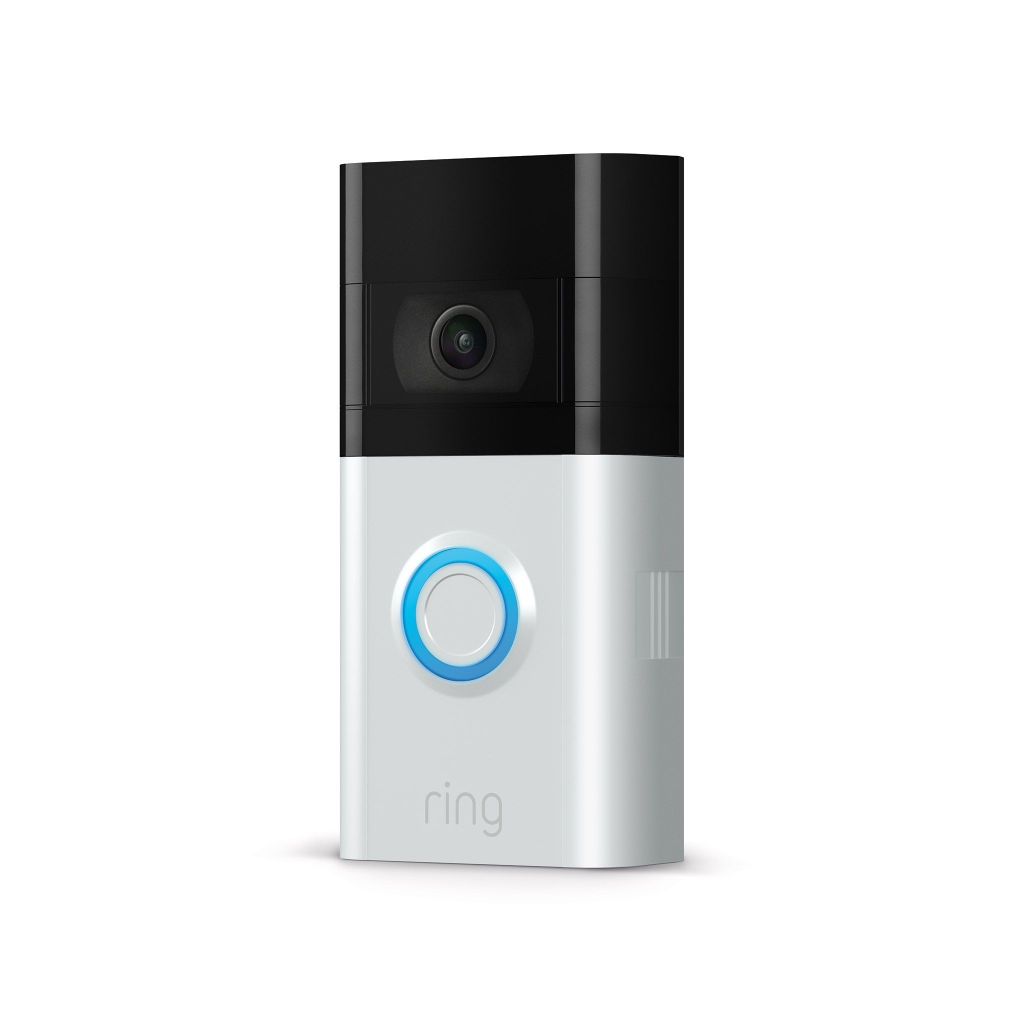
The rebrand to Ring, which featured improved video quality, motion detection and cloud recording and would later sell to Amazon for $1 billion, officially launched October 2014.
And we were right. By the time CES (the world’s largest annual technology trade show) rolled around in 2015, there were roughly 30 doorbell products. It was insane. But because we’d launched in October 2014, we already had a lot of momentum. We did $30 million in 2015, $170 million in 2016 and $480 million in 2017. Then, we raised money in the summer of 2015, which was the summer Richard Branson invested, and over the 60 days we were talking with him, our sales went from $1 million a month to $2 million a month.
Amazon, Jeff Bezos recognized Ring’s infinite possibilties
When things are growing so fast and everything’s breaking, you’re just trying to keep the car wheels from shooting off. You’re not actually looking at the speedometer. Ultimately, that rapid growth and momentum led to the Amazon sale in early 2018. Amazon was a good fit because we felt that Jeff Bezos at the time and the team there, based on their track record, would still back our mission. All the articles that came out at the time said that Amazon was buying Ring to help protect their packages, but that wasn’t it — Jeff and the team realized it was an infinite problem to work on.
And, again, while such quick growth sounds great from the outside, it was a disaster on the inside. You can’t control anything. Your balance sheet is getting destroyed because you’re ordering $500 million worth of product to do maybe $10 million a month in sales. But you have to order four times the volume because it needs to be placed 12 to 18 months ahead. Then, if sales slow down, you go out of business because you have too much inventory. But without inventory, sales can’t go up. So it’s this weird Catch-22. With Amazon, even if we ordered $200 million worth of extra inventory, Amazon can survive that.

Grappling with founder mode burnout and taking a step back
After the sale in 2018, I joined Amazon to keep working on the product. When you sell, people assume you’re heading to the beach on vacation. But that wasn’t the case at all. We were still seeing triple-digit growth percentage-wise, so I was still in complete founder mode. I was part of a new company; I was working harder than ever before in a lot of ways. Going into 2023, we were finally profitable, and I felt proud of what we’d built and like we’d delivered real value. But I was super burnt out. I’d gone from my garage to this and was mentally toast — I needed to take a step back.
Then, of course, AI enters the picture. I saw what AI could do, and I was sad I didn’t have the chance to do it. I had such a deep understanding of Ring and was like, Wow, I can’t believe I don’t get to put these two things together. Fortunately, some things work out: I was able to come back. Not only are we working on outward-facing features with AI, but internally, the technology has reduced the time it takes to develop products from years to months.
Ring’s Super Bowl commercial, Search Party feature
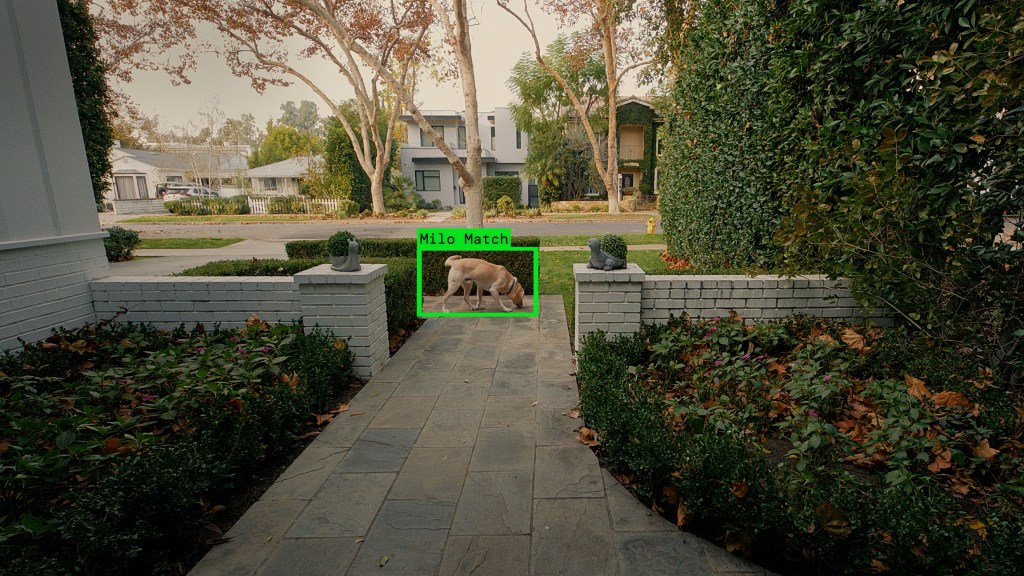
Our Super Bowl commercial highlighted our Search Party feature, which is an AI-powered feature for outdoor cameras that scans recent video footage to help locate missing pets (currently dogs, with cats planned). The feature can be enabled and disabled in the Ring app. Search Party, which launched in September, received a lot of positive customer feedback. But when you do anything big, there’s always potential for a strong response. Some people expressed privacy and security concerns. There’s a lot of AI anxiety — it’s growing at the speed of AI itself.
But with Search Party, you’re still in control of your videos. We’re not an AI assistant that’s saying, ‘This dog that’s in front of your house looks like this dog that’s missing in your neighborhood. Do you want to call your neighbor?’ This feature is no different than physically being at your house and seeing the collar and calling the number, or deciding not to — if you decide not to, no one knows. It makes me sad that the privacy and security aspects have been misconstrued because we actually did build something that’s private and secure and keeps people in control.
Business leadership lessons and what’s next for Ring
Over my years as a business leader, I’ve learned that leadership is pretty simple. The best leaders are people who are willing to do their job and anything else that needs to be done. My email address is on every box. That sets the tone that no one is better than the customer. As crazy as it sounds, as companies get bigger, it’s easy to lose sight of the human side of the business. If a customer service agent does something wrong — which does happen at our scale — they’re probably going to get an email from me.
Ring stands for the area around your home and neighborhood, and when I think about the company’s future, that’s where we’re going to focus. For us, it’s about how we can prioritize what you’re buying Ring for, and ensuring that you’re only interacting with it when you want to. For example, you might set a specific alert to notify you when your child gets home. So I like the idea that Ring becomes this very customized experience — almost like a person that you’ve trained to tell you exactly what you want to know.

Related Articles

What to Know About Nepal’s Gen Z Election
Nepal is holding its first election since a youth-led uprising against corruption...

Iran Live Updates: Israel Begins ‘Broad Wave of Strikes’ on Iran’s Infrastructure
The U.S. announced the names of four soldiers who were killed by...

Who Is Mojtaba Khamenei, the Son and Possible Successor of Iran’s Supreme Leader?
The selection of the son of Ayatollah Ali Khamenei, who was killed...


Why the Karachi Siege Shatters the Pakistan-Iran Bargain
Karachi – The durability of a diplomatic “buffer state” is rarely tested...
Leave a comment