





FIFA to introduce key VAR changes and new anti-time wasting rules ahead of 2026 World Cup
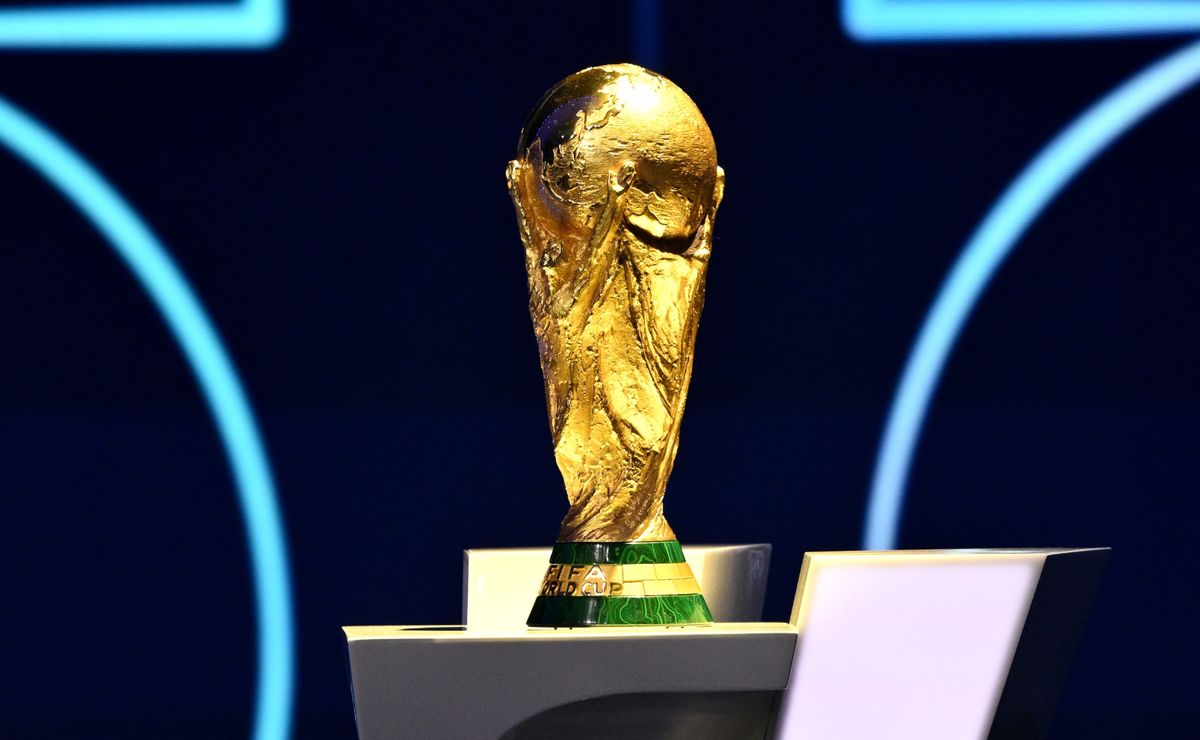
The 2026 FIFA World Cup will bring numerous rule changes, including updates to VAR.
Rule changes and technological innovations have been a constant in soccer in recent years, aimed at speeding up the game and preventing referee errors that could impact match results. Ahead of the 2026 FIFA World Cup, more changes will be implemented.
This week, the International Football Association Board approved a series of modifications to the rules of the sport, designed to address issues and clarify common situations during matches. This summer’s World Cup in North America will be the first time these new rules are applied.
One of the most significant changes involves the use of VAR. While strict limits on the situations where it can be used will remain, the list of scenarios in which the referee can be assisted will be expanded.
Until now, VAR could only review a red card when it involved a direct red or a referee error in identifying the player who committed the foul. Moving forward, it will also be possible to review expulsions that result from two yellow cards, when the second card is controversial.
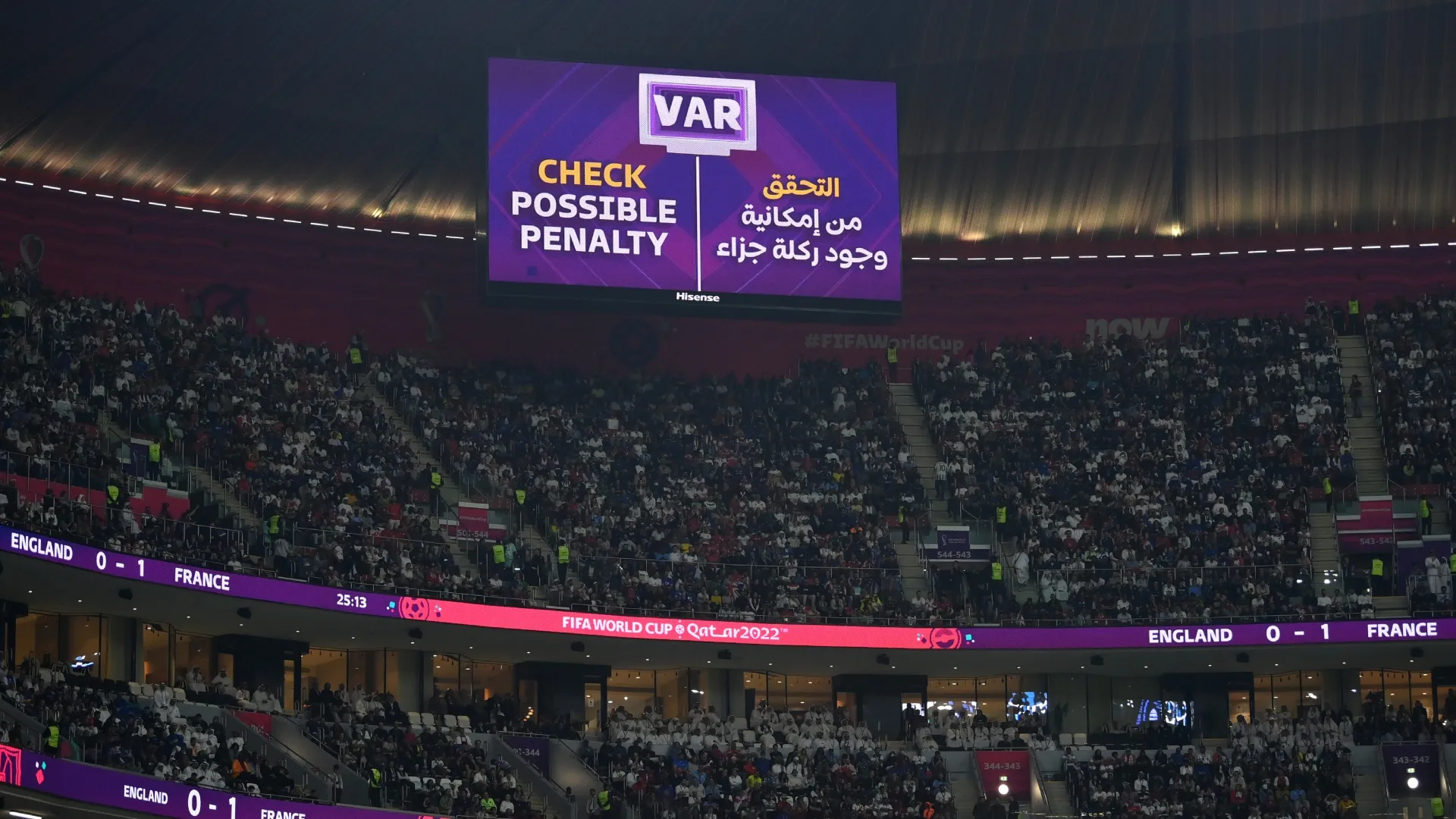
Another situation that can now be reviewed by VAR involves corner kicks. When the referee and assistants incorrectly award or deny a corner, VAR may intervene if the review can be done immediately and without delaying the restart of play.
Rule changes to prevent time-wasting
In recent years, one of FIFA’s priorities has been reducing delays during matches and maximizing actual playing time. While some proposals were set aside—such as stopping the clock every time the game is paused, similar to basketball—new rule changes will now address this goal.
Starting this summer, if the referee determines a team is delaying a throw-in or goal kick, a visible five-second countdown will begin. If the ball is not in play by the end of that time, a punishment will be applied: the throw-in will be awarded to the opposing team, or a goal kick will be replaced by a corner kick for the opponent.
Substitutions will also be sped up. Each player will have 10 seconds to leave the field once their exit is announced or indicated by the referee. If this is not followed, the incoming player must wait outside the field for at least one minute, until play is interrupted again.
The case of injured players
In line with efforts to prevent delays, rules will also regulate situations involving players with physical issues. Whether medical staff enter the field to assist or the game is paused while a player recovers, the player will have to leave the field and wait one minute after play resumes before returning.
There is, of course, an exception, already long established in soccer. If a player is fouled by an opponent in a situation warranting a yellow or red card, the injured player attended by medical staff is not required to leave the field once play resumes.



Related Articles
Лучшие онлайн казино Украины для игроков в 2025 году
Лучшие онлайн казино Украины для игроков в 2025 году С каждым годом...
Лучшие онлайн казино с сертификатом доверия для игры 2025
Лучшие онлайн казино с сертификатом доверия для игры 2025 В 2025 году...
Лучшие Онлайн Казино С Минимальными Депозитами 2025
Лучшие онлайн казино с минимальными депозитами 2025 Онлайн казино с минимальными депозитами...
Лучшие Онлайн Казино С Рублевыми Ставками 2025 Года
Лучшие онлайн казино с рублевыми ставками 2025 года В 2025 году количество...
Najlepsze kasyna online do obstawiania pieniędzy w 2026 r
Najlepsze kasyna online do obstawiania prawdziwych pieniędzy w 2026 roku Kasyna online...
Trendy w rozwoju urządzeń mobilnych na iOS dla programistów 2026
Trendy w rozwoju urządzeń mobilnych iOS dla programistów 2026 W 2026 r....
Classic Porn Videos Xvideos Com
But beat porn site some vixen porn star of the belle delphin...
Leave a comment