




FIFA president Gianni Infantino makes bold 2026 World Cup attendance claim despite widespread ticket prices criticism: ‘Every match is sold out’
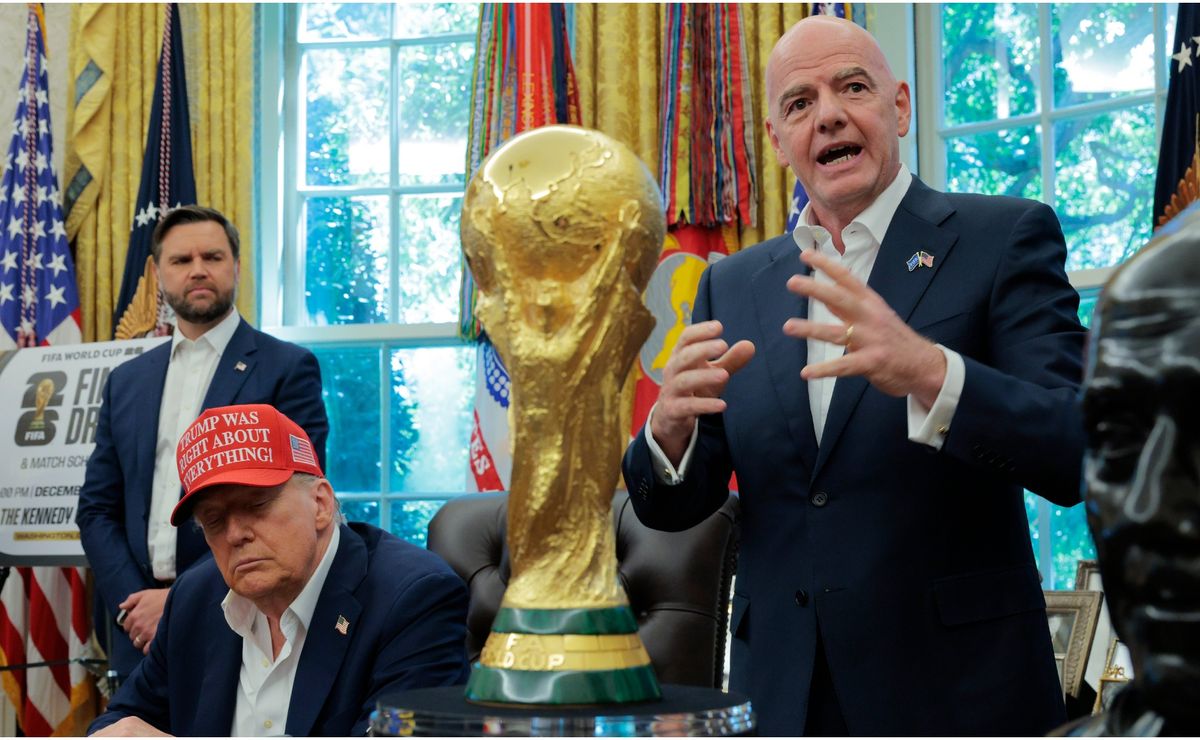
Amid the ticket pricing storm, FIFA president Gianni Infantino has remained a central figure in defending the tournament’s commercial model, while insisting that demand has never been higher.
The build-up to the 2026 World Cup has already turned into a global spectacle, not only on the pitch but also at the ticket office. Supporters across the world have reacted with disbelief as prices for the expanded tournament in North America reached unprecedented levels, sparking accusations of profiteering, frustration among loyal fans, and renewed debates over access to soccer’s biggest stage. Amid the storm, FIFA president Gianni Infantino has remained a central figure in defending the tournament’s commercial model, while insisting that demand has never been higher.
The debate is unfolding as the club and the national team prepare for the most ambitious World Cup in history, with 48 teams, 104 matches, and a tri-nation hosting format involving the United States, Canada, and Mexico. Ticket pricing has emerged as one of the most controversial topics, with fans claiming the tournament is becoming inaccessible for ordinary supporters.
The controversy intensified after resale listings revealed staggering prices for major matches. Tickets for the opening match in Mexico City were listed at more than $5,300, compared with an original price of $895, while a single seat for the final in New Jersey reached a jaw-dropping $143,750 — more than 40 times its original value. Even the cheapest resale ticket for the final hovered close to $10,000, shocking supporters around the world.
Fan organizations accused FIFA of betraying its core audience, arguing that soccer’s biggest tournament is drifting further away from ordinary supporters. “These exorbitant prices, unfortunately, don’t surprise me… In the end, who pays the price? The passionate fans who end up with outrageous offers,” said France supporters’ group Irresistibles Francais. “We would prefer that this benefit real fans… but unfortunately, that’s not the case.”
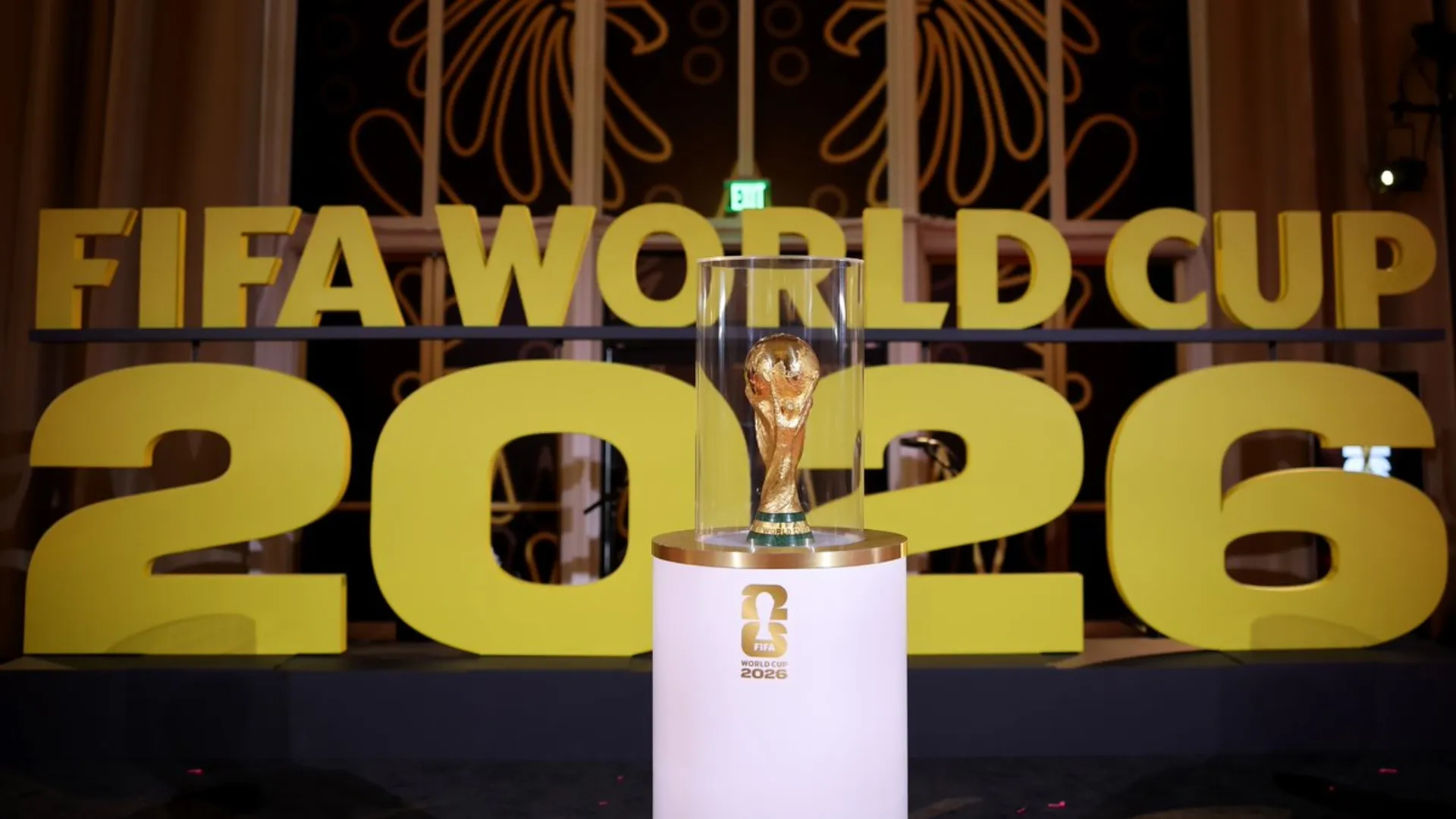
FIFA attempted to soften the backlash by introducing a $60 “Supporter Entry Tier” ticket, but critics argued that the limited allocation — just 10% of tickets distributed through national associations — was symbolic rather than transformative.
What did Infantino say about the ticket demand?
While supporters questioned affordability, Infantino insisted the World Cup was witnessing historic demand, hinting that the tournament was on course to be one of the most attended sporting events in history. His comments fueled debate about whether soccer’s popularity could truly offset concerns about accessibility and fairness.
In the middle of the controversy, the head of the international governing body delivered a striking declaration. “The demand is there. Every match is sold out,” he said in an interview with CNBC.
Mondiali di calcio 2026: “Abbiamo ricevuto richieste per oltre 500 milioni di biglietti, è assolutamente incredibile”, ha spiegato il presidente della #FIFA, Gianni #Infantino, ricordando che in 100 anni di Mondiali, la FIFA ha venduto meno di 50 milioni di biglietti. Le sue… pic.twitter.com/UgHIoFhMMR
— Class CNBC (@classcnbc) February 19, 2026
According to the FIFA president, 508 million ticket requests were submitted in just four weeks for roughly seven million available tickets, with applications coming from more than 200 countries. “We’ve never seen anything like that — incredible,” he added, noting that FIFA deliberately kept some tickets in reserve for a final sales phase starting in April and running until the final on July 19.
Infantino also addressed the pricing criticism directly, suggesting that the tournament’s location was a major driver of demand. “I think it is because it’s in America, Canada, and Mexico. Everybody wants to be part of something special,” he said. He explained that although official ticket prices are fixed, dynamic pricing models and resale platforms allow prices to fluctuate based on market demand, adding, “That’s part of the market we are in.”
The business of the biggest World Cup ever
Beyond ticket sales, Infantino painted a picture of unprecedented economic impact. He estimated the tournament would generate more than $11 billion in revenue for FIFA, claiming “every dollar” would be reinvested in soccer across its 211 member associations.
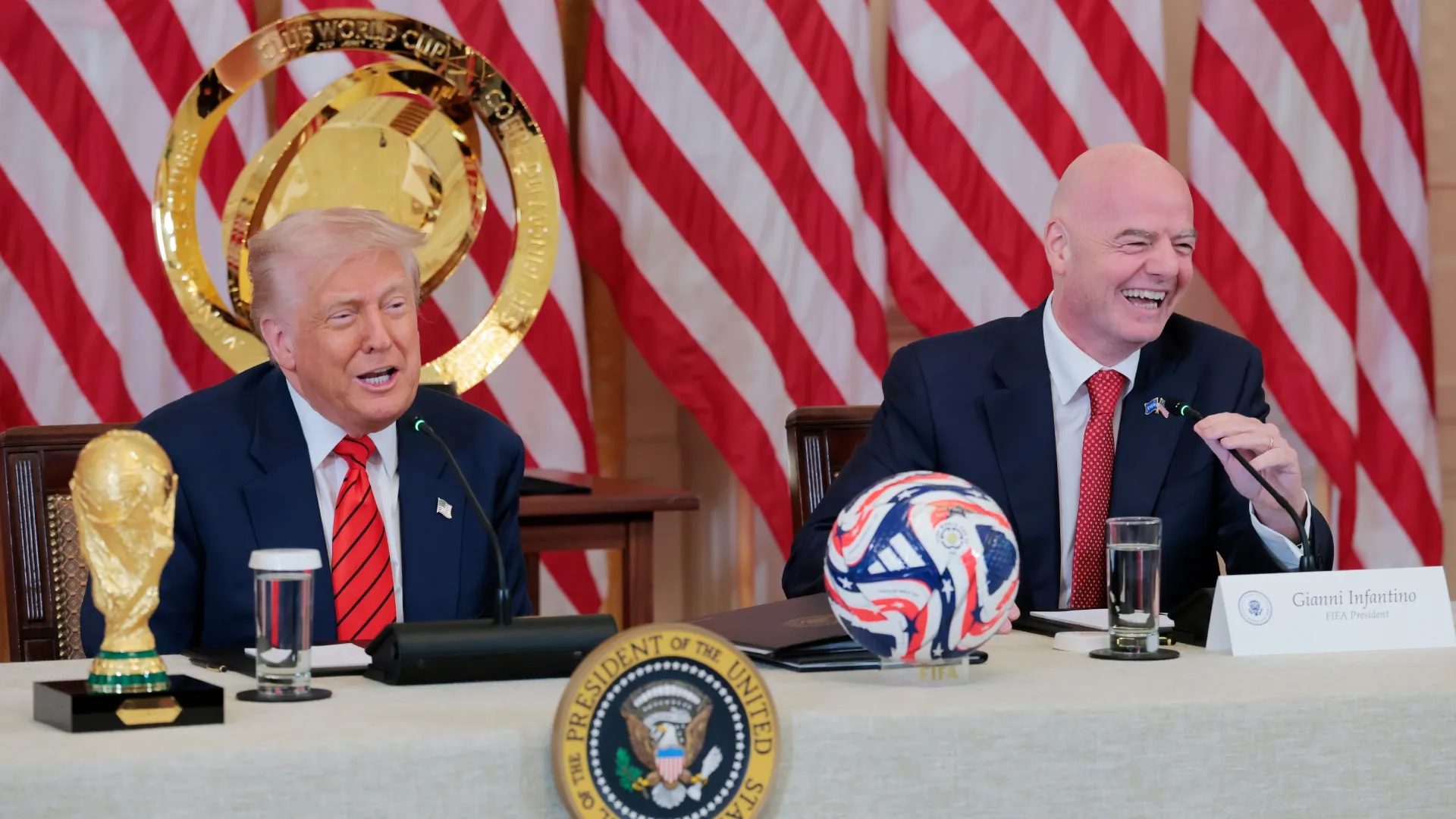
He also projected that the World Cup could contribute around $30 billion to the US economy, driven by tourism, catering, security, and infrastructure investments. In addition, between 20 and 30 million tourists are expected, alongside 185,000 full-time jobs created by the event. “It’s a big impact… I hope this impact will not just be limited to the World Cup but for the future as well,” Infantino said.

Related Articles

Jeremy Allaire: Stablecoins are redefining global money usage, bridging fiat and crypto networks, and necessitating regulatory collaboration | All-In
Stablecoins act as a crucial bridge between fiat currencies and crypto networks,...

Bold and the Beautiful: 5 Major Storylines B&B Is Currently Destroying
Bold and the Beautiful finds there is a lot of fan outrage...


British Police Arrest Former Prince Andrew Amid Epstein Revelations
British authorities arrested Andrew Mountbatten-Windsor on Thursday on suspicion of misconduct in...
South Korean Ex-Leader Is Sentenced to Life in Prison
Former President Yoon Suk Yeol was found guilty of masterminding an insurrection...
Leave a comment