





Indie Basement (1/16): the week in classic indie, alternative & college rock

A light January week in Indie Basement, but there are more than enough new releases to keep you entertained: Sleaford Mods‘ new album that features Aldous Harding, Gwendoline Christie and Life Without Buildings’ Sue Tompkins; the return of Crooked Man (aka DJ Parrot aka All Seeing I’s Richard Barratt); post-rock influenced Manchester trio Shaking Hand; and Magazine/Bad Seeds bassist Barry Adamson‘s score to documentary Scala!!!
Speaking of Life Without Buildings, I don’t think anyway expected them to announce this week that they were reforming to play their first show in 24 years, so between that and the Mods’ record, I look back at the first and only album for this week’s Indie Basement Classic.
It’s a busier week in Notable Releases, where Andrew reviews new ones from Jana Horn, A$AP Rocky, Julianna Barwick & Mary Lattimore, Rifle, Courtney Marie Andrews, and more.
It was a busy news week and here are a few Basement-friendly headlines: Rocketship are celebrating the 30th anniversary of their debut album with a vinyl reissue and reunion tour; the 2026 Mosswood Meltdown lineup is pretty great; Hannah Lew of Cold Beat and Grass Widow announced her solo debut; Chicago cult country group Souled American announced their first album in 30 years; London dreampop band deary announced their debut album; and Hot Chip frontman Alexis Taylor’s new solo album features members of Air and Scritti Politti.
Head below for this week’s reviews.
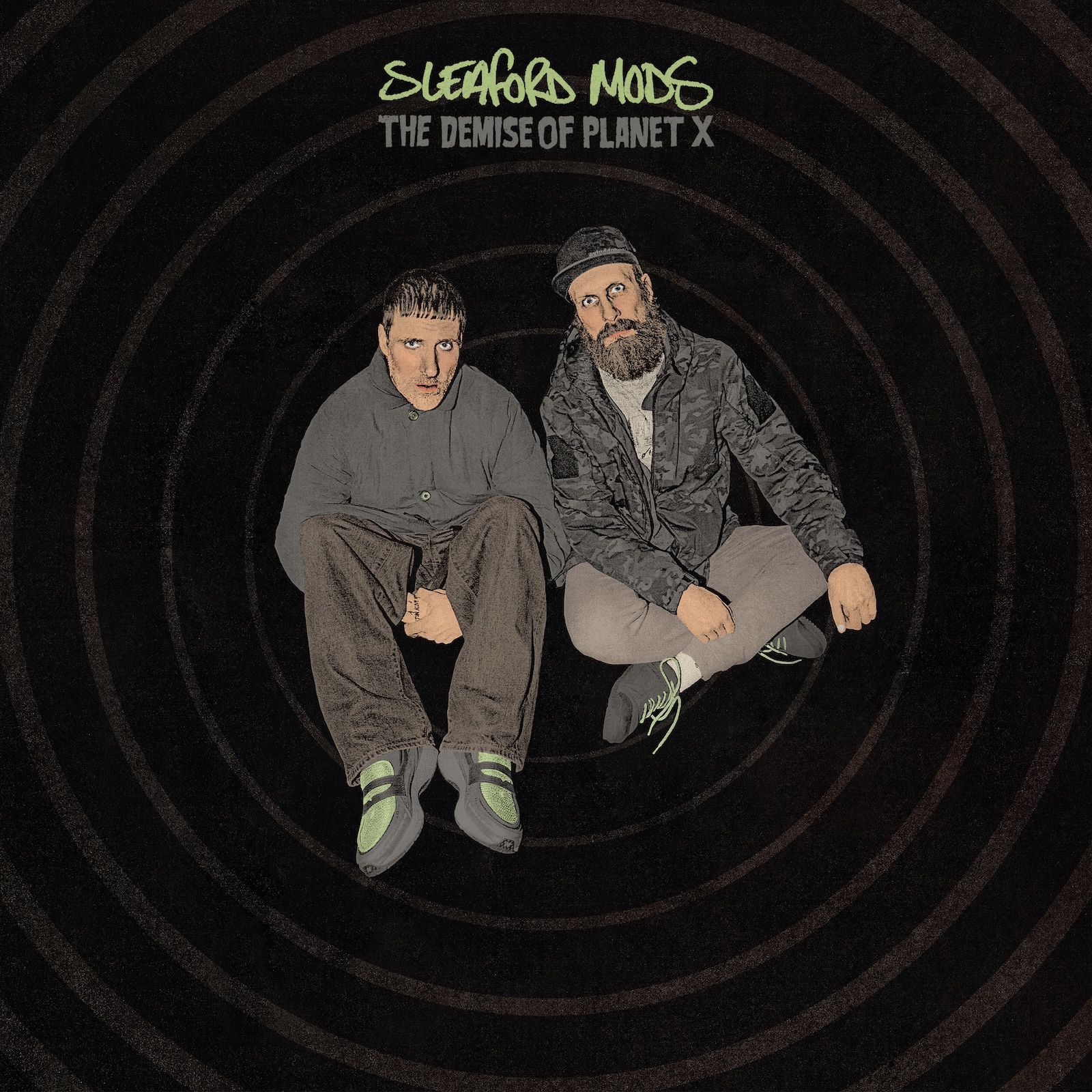
ALBUM OF THE WEEK: Sleaford Mods – The Demise of Planet X (Rough Trade)
Sleaford Mods rage on, but with sharper hooks and a lighter touch, plus appearances from Aldous Harding, Gwendoline Christie, Life Without Buildings’ Sue Tompkins & more
“It’s Captain Cook from the planet / I still don’t know what the fuck I’m on about.” Who knows what to think these days? Certainly not Sleaford Mods’ Jason Williamson, who already declared the end of England on the duo’s last album, UK Grim, and now finds himself in what he calls a literal post‑apocalypse. Despite the title, The Demise of Planet X doesn’t make giant proclamations about the state of things — just sharp observations, peppered with creative, apoplectic swearing as only Williamson can deliver, and set to some of Andrew Fearn’s catchiest backing tracks yet.
Williamson remains an equal‑opportunity heckler, cutting down MAGA men one minute (“Flood the Zone”) and performative lefties the next (“Elitist G.O.A.T.”). There’s also “Bad Santa,” which takes direct aim at Donald Trump, Andrew Tate, and others by name. He doesn’t spare himself either, admitting to his love of online shopping on the dubby “The Unwrap,” despite the album’s many anti‑consumerist rants. Williamson has gone through anger management (and even made friends with former object of ire IDLES), and says he’s in a good place these days — but that doesn’t mean there’s nothing left that deserves his vitriol.
The Demise of Planet X was recorded at Abbey Road Studios — from the Beatles to Sleaford Mods! — during a week of free studio time that allowed Fearn to focus entirely on his beats while someone else handled engineering duties. He’s outdone himself here, delivering some of the Mods’ hookiest hooks to date, including the pogoing dubstep of “Megaton” and the loping, laid‑back “Double Diamond.”
The album also boasts an impressive list of guest vocalists. Aldous Harding appears on the DIY indie jam “Elitist G.O.A.T.,” while actor Gwendoline Christie (Brienne of Tarth on Game of Thrones) goes toe‑to‑toe with Williamson on a seriously formidable verse on “The Good Life,” which also features Irish duo Big Special on the hook. The most surprising and satisfying appearance, though, comes from Sue Tompkins of Scottish cult band Life Without Buildings, delivering one of her first vocal performances in over 20 years on the album’s most addictive track, “No Touch.”
The light touch of Fearn’s production and Williamson’s increasing self‑effacing humor don’t dull Sleaford Mods’ sharp stick. Instead, in the face of daily world events that would’ve felt like broad parody a decade ago, The Demise of Planet X still hits hard — without making you feel worse.
The Demise of Planet X by Sleaford Mods
—
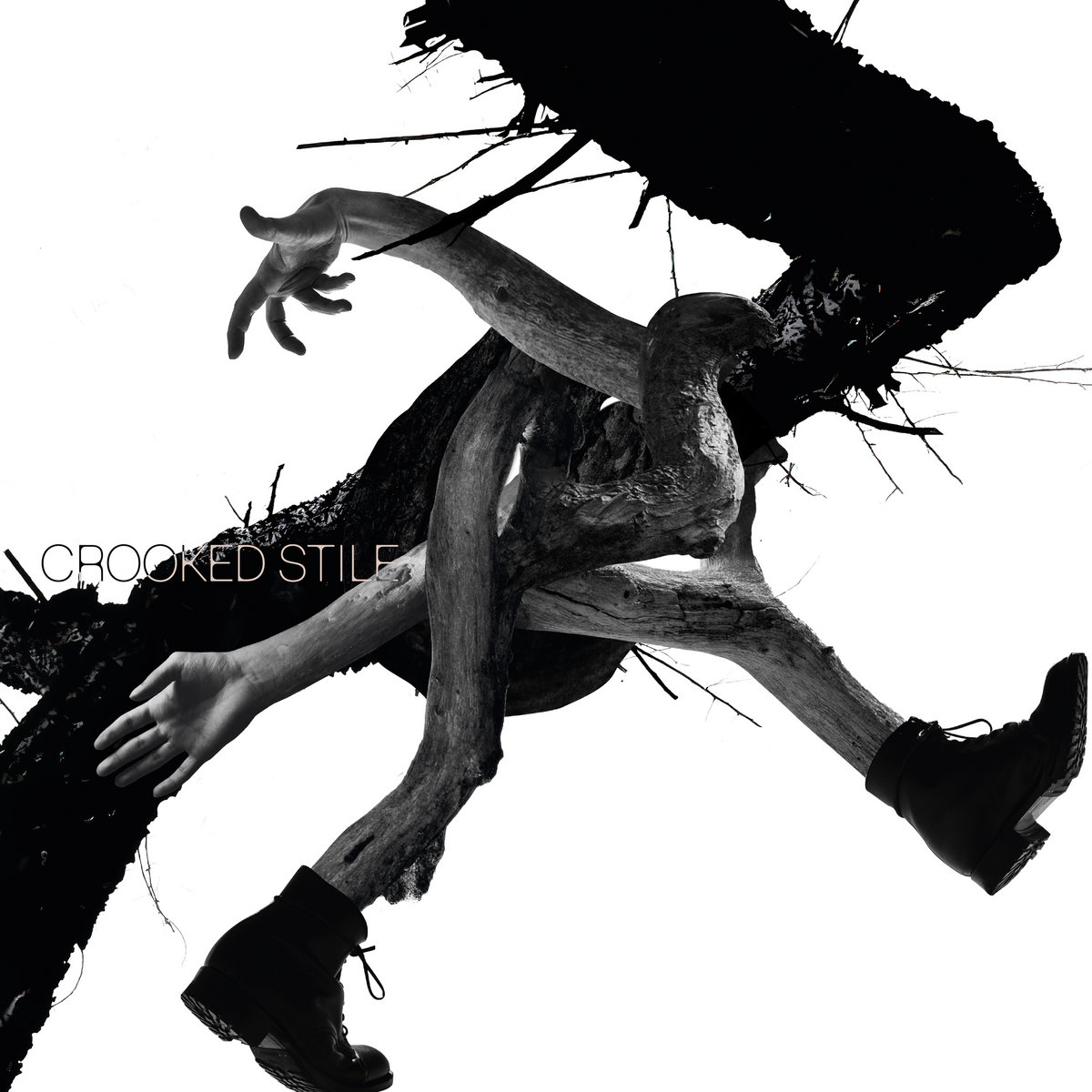
Crooked Man – Crooked Stile (Vicious Charm)
Sheffield dance legend Richard Barratt is back with his first Crooked Man album in 10 years featuring Róisín Murphy, Jarvis Cocker & Fleetwood Mac covers, more
Richard Barratt is a multi-hyphenate. A veteran of the Sheffield dance music scene, he’s best known as one-third of late-’90s UK hitmakers All Seeing I, but he’s continued to make innovative, fun house music ever since — producing records for Róisín Murphy (her great 2020 album Róisín Machine), remixing under the name DJ Parrot (including collaborations with fellow Sheffield native Jarvis Cocker as Parrot & Cocker Too), and releasing solo records as Crooked Man.
Crooked Stile is Barratt’s first album in a decade and arrives via Vicious Style, the new-ish label from Skint Records co-founder Damian Harris. (In fact, the label was initially started just to release Crooked Man records — but it’s since grown.) Barratt hasn’t lost his touch. Head straight to his storming, epic cover of Thelma Houston’s disco classic “Don’t Leave Me This Way,” which barrels across the dancefloor like a freight train, riding an absolutely irresistible beat for nearly 12 minutes as an unnamed vocalist vamps, ’90s-house style, all over it. The beat is so indestructible that Barratt even reused it for the Parrot & Cocker Too remix of Baxter Dury’s “Allbarone” — that said, it’s still only the second best cover of the song.
Covers make up a good chunk of Crooked Stile, including an ecstatic acid-house reimagining of Fleetwood Mac’s “Big Love” featuring house legend Steve Edwards, and an album-closing take on Cocker’s “Cunts Are Still Running the World,” bluntly retitled “Cunts” and given an icy techno makeover. But some of the best tracks are originals: the sultry “Love & Resistance,” the dub-enveloped “Denka,” and the simmering “Projection,” featuring a flawless Róisín Murphy vocal.
Dance music may be a young man’s game, but this album proves there’s still room for sophistication and maturity in the club.
—
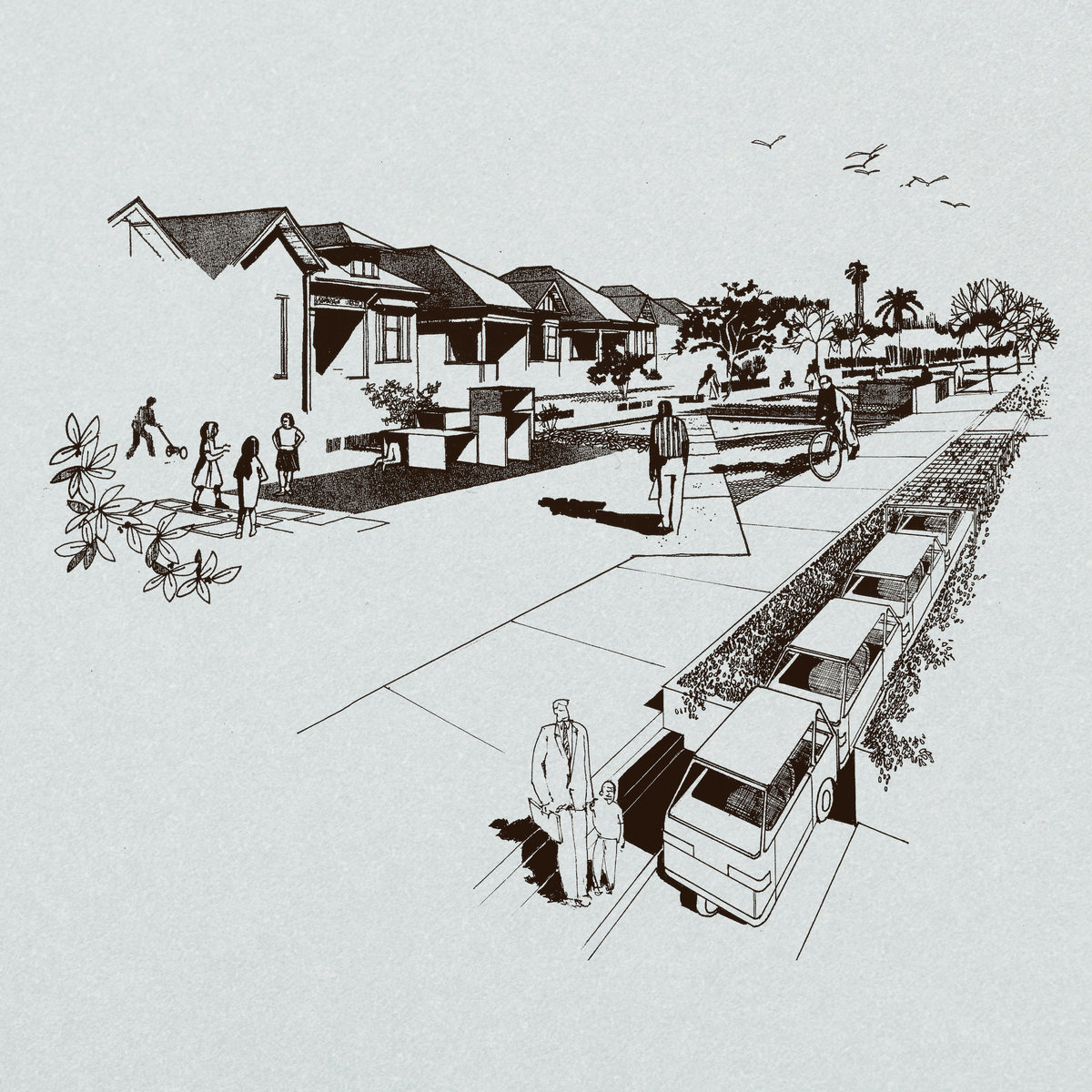
Shaking Hand – Shaking Hand (Melodic)
This Manchester trio make post-rock indie like they grew up in Minnesota on their debut album
Stretched-out, ’90s-style indie rock — the sprawling kind that cozies up to post-rock — has long been a North American specialty, but new Manchester trio Shaking Hand seem to have a strong handle on it. Their self-titled debut features seven languid jams that nicely balance vibe and melody, atmosphere and form.
Like many of the records that influenced them, these songs sound like three people locked in sync, with plenty of headroom so all the instruments remain distinct while still clearly playing off one another. You can hear Slint, Pavement, Sonic Youth, and Duster in these tracks, but Shaking Hand are already so adept at what they’re doing that it never feels like theft — more like a record from the era you just hadn’t discovered yet.
—
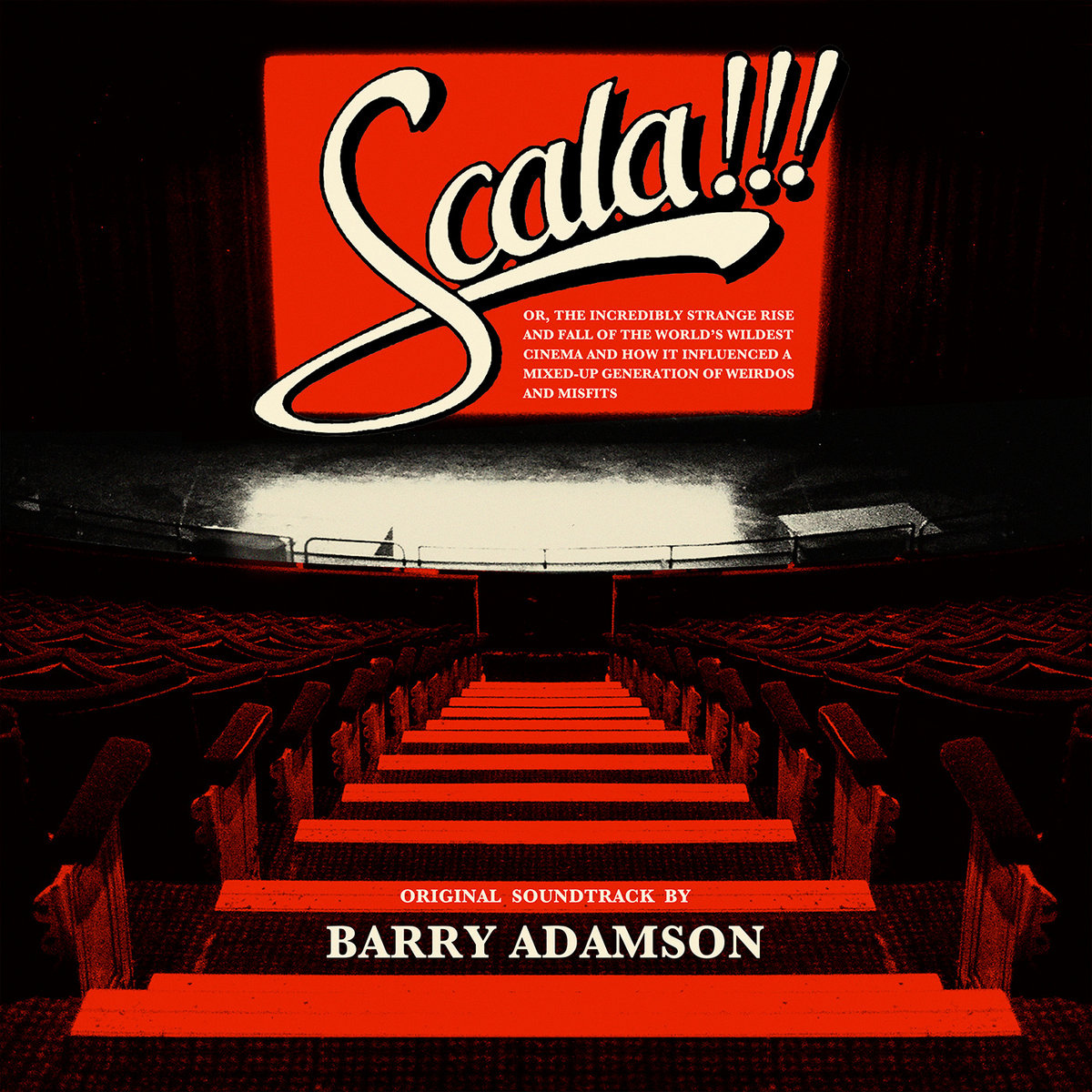
Barry Adamson – SCALA!!! (Mute)
A cult cinema gets a cult soundtrack, courtesy of a post-punk icon
Scala was an independent cinema that, for a time in the late ’70s and ’80s, served as an infamous safe haven for London’s weirdos, freaks, and arty outsiders. Part movie theatre, part anything-goes club, it’s the kind of place that — since its closure in the early ’90s — has taken on mythical status, like NYC’s Mud Club or Paradise Garage. People who were there talk about it with equal parts reverence and amazement that it ever existed.
Ali Catterall and Jane Giles’ 2023 loving documentary pays tribute to Scala, featuring stories from those who lived it, including John Waters, The The’s Matt Johnson, comedian Stewart Lee, Jah Wobble, and Magazine/Bad Seeds bassist Barry Adamson, who also composed the score. That soundtrack has now been released, with Adamson — a gifted stylist and sonic chameleon — paying homage to the kinds of films that played there: z-grade schlock, trash cinema, infamous arthouse staples, and more.
The Scala!!! soundtrack is a lot of fun, but best experienced alongside the film (which is available to rent on VOD).
—
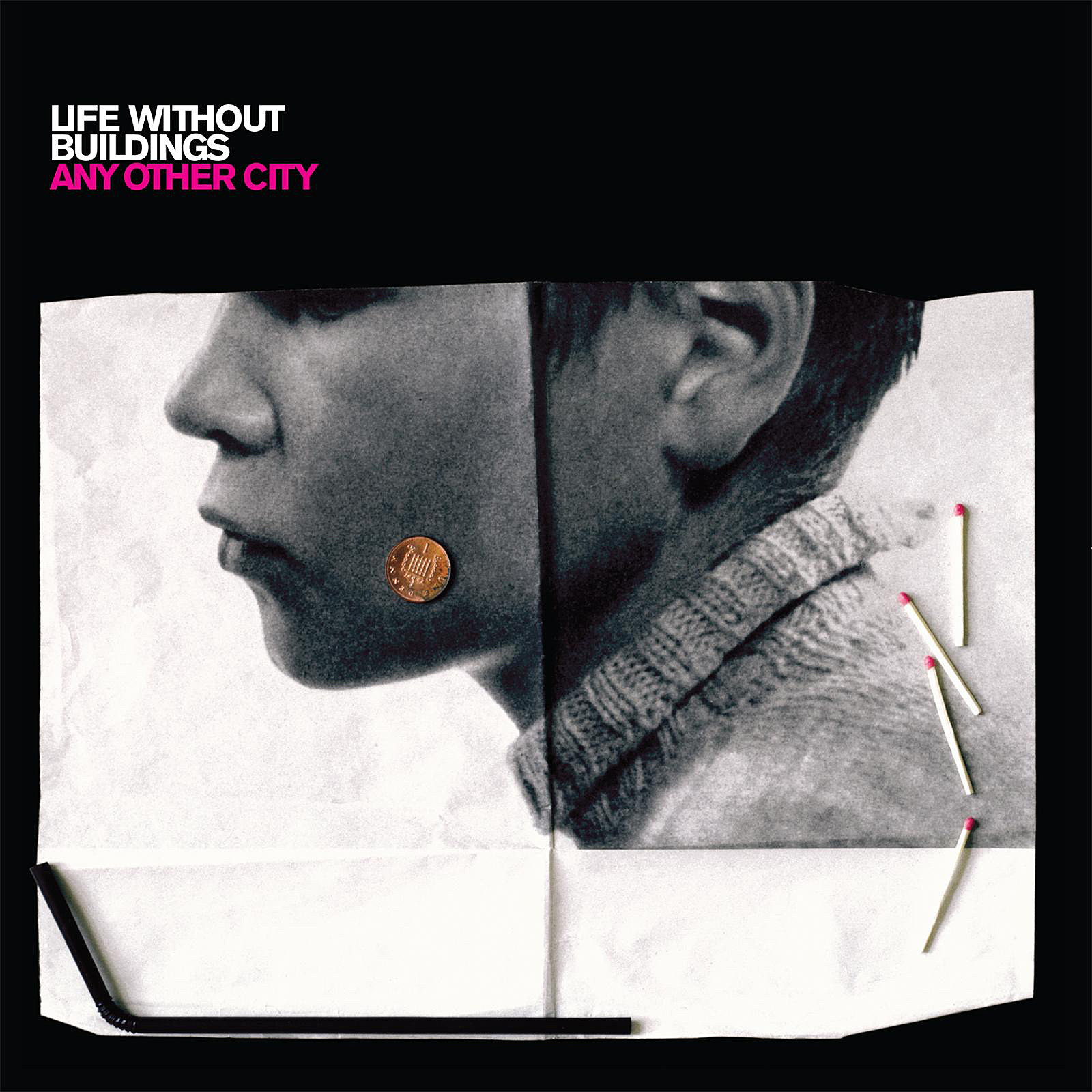
INDIE BASEMENT CLASSIC – Life Without Buildings – Any Other City (Tugboat, 2001)
Cult Scottish indie band announce their return just ahead of their sole album’s 25th anniversary
It’s a big week for fans of early-’00s cult group Life Without Buildings: singer Sue Tompkins makes a rare vocal appearance on Sleaford Mods’ new album (reviewed above), and the group just announced — to many dropped jaws — that they’d be reforming this fall for their first show in nearly 25 years. It’s a good time to discover — or reacquaint yourself with — their first and only album.
Scottish group Life Without Buildings were only together for a couple of years, long enough to release their debut album, Any Other City, in 2001 via Rough Trade imprint Tugboat, and break up soon after. The band had a very unique sound, with singer Sue Tompkins’ ecstatic, stream-of-consciousness poetry flowing overtop atmospheric, jangly-but-mathy post-punk. This is one of those records that few heard at the time, but grew by word of mouth and became wildly influential — long before TikTok discovered “The Leanover” in the early days of the pandemic and made it a viral hit.
You can hear their influence in current groups and Indie Basement favorites like Dry Cleaning, English Teacher, High Vis, Lewsberg, and Yard Act. There’s a whole lot of sprechgesang going around these days, but nobody did it quite like Life Without Buildings, with Tompkins’ joyous, repetitive flow that seemed to either birth the music or be born from it. They didn’t really follow verse-chorus-verse pop structure, but Any Other City has hooks, and it’s the kind of record that sounds strange and foreign on first listen — but you’re compelled to hit play again, and by the third time, you’re hanging on every unexpected syllable or time change.
One of the great one-and-done albums.
Looking for more? Browse the Indie Basement archives.
And check out what’s new in our shop.
Top 20 Shoegaze EPs of the Early-’90s


4. Moose – Jack (1991, Hut)
Extended listening: By the release of their third 1991 EP, Reprise, they were already halfway to the breezier style they’d adopt for XYZ and subsequent albums, and it features the gorgeous, country-ish ballad “This River Never Will Run Dry.” Songs from Moose’s early EPs were cherry-picked for the Sonny and Sam EP, the only record Moose ever got released in America. Criminally underrated, I


Related Articles

Listen to Charli XCX’s haunting single ‘Wall Of Sound’
Charli XCX has released a haunting new single, ‘Wall Of Sound’. Listen...
’28 Years Later: The Bone Temple’: what happened to Cillian Murphy’s Jim after ’28 Days Later’?
28 Years Later: The Bone Temple is in cinemas now, but how does Cillian Murphy’s character...

David Lynch friends and collaborators mark one year since film icon’s death
David Lynch‘s closest collaborators have marked a year since his death with...


Julio Iglesias responds to allegations of sexual abuse and trafficking
Julio Iglesias has called the allegations of sexual abuse and trafficking made...
Leave a comment